
Radiating pain from the spine into the arm (cervical herniation) or leg (lumbar herniation)
Conditions we treat
Disc Herniation Treatment
Disc herniation care starts by connecting imaging and symptoms with movement, nerve sensitivity, and the demands of daily life.
Book an evaluation ↗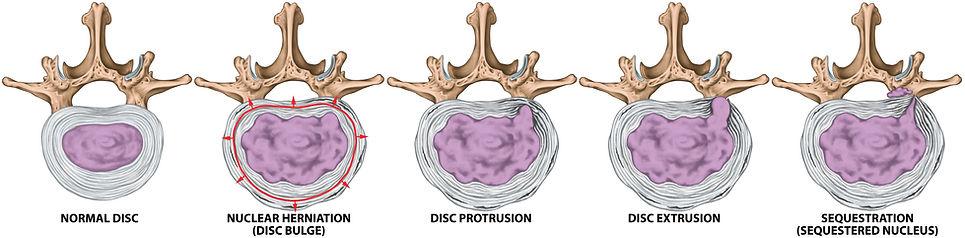
Conditions we treat
A disc herniation occurs when the soft, gel-like center of a spinal disc pushes through a tear in the tough outer layer, potentially compressing nearby nerves and causing significant pain, numbness, or weakness. Herniated discs are among the most common causes of radiating pain in the arms or legs and can significantly impact your ability to work, exercise, and enjoy daily life. At City Integrative Rehabilitation in Manhattan, we specialize in non-surgical disc herniation treatment using evidence-based physical therapy, Sports Chiropractic, and advanced rehabilitation techniques that address both the structural damage and the compensatory dysfunction that develops around the injured segment.
Assessment-led care · Manhattan and Great Neck
Understanding Disc Herniations
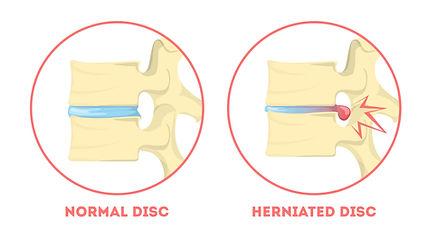
The spinal discs serve as shock absorbers between each vertebra, consisting of a firm outer ring called the annulus fibrosus and a soft, gel-like interior called the nucleus pulposus. A disc herniation — also called a herniated disc, slipped disc, or ruptured disc — occurs when the nucleus pulposus pushes through a weakened or torn area of the annulus. The severity of a disc herniation ranges from a mild disc bulge, where the outer wall stretches but remains intact, to a full extrusion where disc material migrates beyond the disc space entirely. Where the herniated material presses against neural structures determines the pattern of symptoms — a lumbar disc herniation at L4-L5 or L5-S1 typically causes sciatica radiating down the leg, while a cervical disc herniation at C5-C6 or C6-C7 often produces pain, tingling, or weakness radiating into the arm and hand.
Types and Stages of Disc Herniations
Disc herniations progress through a spectrum of severity, and understanding where your condition falls on this spectrum directly influences treatment strategy. A disc bulge (also called a disc protrusion) is the earliest stage, where the disc wall stretches outward but remains intact — this is often discovered incidentally on imaging and may or may not produce symptoms. A disc herniation occurs when the nucleus pulposus breaks through the annulus fibrosus, creating a focal protrusion that can compress adjacent nerve roots. A disc extrusion describes a larger herniation where the disc material extends beyond the disc space but remains connected to the nucleus. A sequestered disc (free fragment) occurs when a piece of disc material breaks off completely and migrates within the spinal canal. Importantly, research shows that larger herniations — particularly extrusions and sequestrations — often have the best prognosis for natural resorption, as the body’s immune system actively breaks down the displaced disc material over time.
Common Symptoms of Disc Herniations
The symptoms of a disc herniation depend on the location and severity of the herniation and which neural structures are affected. Common signs include:
Sciatica — sharp, shooting pain along the sciatic nerve from the buttock down the back of the leg
Numbness or tingling in the hands, fingers, feet, or toes following specific nerve root patterns (dermatomes)
Muscle weakness in the arm, hand, leg, or foot supplied by the compressed nerve
Localized neck pain or low back pain at the level of the herniation
Pain that worsens with sitting, bending forward, coughing, or sneezing
Difficulty standing upright or a visible shift in posture (antalgic lean)
Reduced range of motion in the neck or lower back
Pain that improves with walking or certain positions (directional preference)
Burning or electric sensation radiating along the path of the affected nerve
Common Causes of Disc Herniations
Disc herniations result from a combination of structural vulnerability and mechanical stress. Understanding the underlying cause is essential for effective treatment and prevention of recurrence.
Degenerative disc disease
is the most common predisposing factor for disc herniations. As discs age, they lose water content and elasticity, making the annulus fibrosus more susceptible to tears. This gradual degeneration reduces the disc’s ability to distribute forces evenly, creating focal points of vulnerability where herniations are most likely to occur. Degenerative changes are a normal part of aging but can be accelerated by repetitive loading, poor posture, and inadequate spinal stabilization.
Repetitive loading and microtrauma
from occupational or athletic activities creates cumulative stress on disc structures. Repeated bending, lifting, and twisting — particularly with poor body mechanics — progressively weakens the annulus through microinjury. Many patients recall a specific incident that triggered their symptoms, but the disc had been weakening over months or years of repetitive strain before the final herniation occurred.
Acute traumatic injury
from falls, motor vehicle accidents, or heavy lifting can cause sudden disc herniations, particularly in younger patients with otherwise healthy discs. High-force axial loading combined with flexion or rotation places maximum stress on the posterior and posterolateral disc wall — the area where most herniations occur. Whiplash injuries can cause cervical disc herniations through rapid flexion-extension forces.
Postural dysfunction and spinal instability
contribute to abnormal force distribution across spinal segments. Prolonged sitting, forward head posture, and poor postural habits increase intradiscal pressure and shift loads toward the posterior disc wall. Weakness in the deep spinal stabilizers — the multifidus and transversus abdominis — reduces segmental control and allows excessive motion at individual vertebral levels, accelerating disc wear.
Risk Factors for Disc Herniations
Several factors increase your likelihood of developing a disc herniation. Age plays a significant role, with herniations most commonly occurring between ages 30 and 50 when discs have begun to degenerate but still retain enough nucleus pulposus to herniate. Occupations involving repetitive lifting, prolonged sitting, or vibration exposure (such as truck driving) carry elevated risk. Sedentary lifestyles lead to weakened core musculature and reduced disc nutrition, as spinal discs rely on movement-driven diffusion for nutrient delivery. Excess body weight increases compressive loads on spinal discs, and smoking reduces blood flow to disc structures, accelerating degeneration. Genetic factors also play a significant role — research has identified specific genes associated with disc degeneration and herniation susceptibility, making family history an important consideration.
How Disc Herniations Are Diagnosed
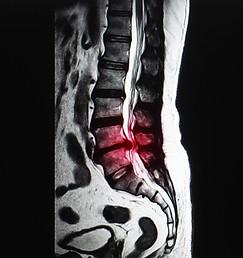
Accurate diagnosis of a disc herniation requires correlating clinical examination findings with the patient’s symptom pattern. At City Integrative Rehabilitation, our evaluation begins with a detailed history including the onset, location, and behavior of your symptoms — particularly any radiating pain patterns that suggest specific nerve root involvement. Physical examination includes neurological testing of reflexes, sensation, and muscle strength in systematic patterns that identify which nerve root is affected. Provocative tests such as the straight leg raise (for lumbar herniations) and Spurling’s test (for cervical herniations) help confirm nerve root compression. Range of motion assessment identifies directional preferences — movements that centralize or peripheralize symptoms — which guide treatment strategy. While MRI provides the most detailed visualization of disc pathology and is valuable for confirming diagnosis and ruling out other conditions, clinical decision-making relies primarily on the correlation between imaging findings and clinical presentation, since research shows that many disc herniations visible on MRI are asymptomatic.
Disc Herniation Treatment Options at City Integrative Rehabilitation
Our multidisciplinary team develops individualized treatment plans that address both the acute symptoms and the underlying mechanical dysfunction that led to your disc herniation. Research consistently shows that most disc herniations respond well to conservative treatment, with surgery reserved for cases involving progressive neurological deficit or failure to improve with comprehensive non-surgical care.
Physical therapy
is the cornerstone of disc herniation rehabilitation. Our physical therapists use directional preference exercises — most commonly extension-based protocols developed from the McKenzie Method — to encourage centralization of symptoms and promote healing of the annulus. Progressive core stabilization training restores the deep muscular support system that protects the injured disc segment. Manual therapy techniques including neural mobilization (nerve gliding) reduce nerve root sensitivity and improve the mobility of neural structures affected by the herniation. As symptoms improve, graduated loading programs safely restore strength and functional capacity.
Sports Chiropractic
addresses the joint restrictions and segmental dysfunction that commonly develop above and below the herniated disc level. When a disc herniation reduces mobility at one spinal segment, adjacent segments compensate by becoming hypermobile or restricted — creating secondary pain generators that perpetuate symptoms. Spinal manipulation restores normal joint mechanics at these compensatory segments, reduces muscle guarding, and improves overall spinal function. Flexion-distraction technique, a specialized low-force approach, gently decompresses the disc space and can help reduce intradiscal pressure at the herniated level.
Shockwave therapy (ESWT)
offers a powerful non-invasive treatment option for the myofascial component of disc herniation pain. The muscles surrounding a herniated disc frequently develop painful trigger points and sustained spasm as the body attempts to splint the injured segment. Shockwave therapy effectively releases these myofascial restrictions, improves local blood flow, and promotes tissue healing. This technology is particularly valuable for patients whose muscle guarding has become a significant pain generator independent of the disc herniation itself.
Dynamic Neuromuscular Stabilization (DNS)
retrains the deep stabilization system that protects the spine during functional activities. DNS exercises are based on developmental movement patterns and restore the coordinated activation of the diaphragm, pelvic floor, and deep abdominal wall that provides optimal spinal support. For disc herniation patients, DNS training is essential for preventing recurrence by establishing proper intra-abdominal pressure regulation and segmental spinal control during all movements — from simple bending to high-demand athletic activities.
Anatomy in Motion (AiM)
addresses the whole-body movement compensations that develop following a disc herniation. When pain restricts normal spinal movement, the body develops compensatory patterns through the pelvis, hips, and lower extremities that alter gait mechanics and redistribute forces in potentially harmful ways. AiM assessment identifies these compensatory patterns and uses targeted movement sequences to restore efficient three-dimensional motion throughout the entire kinetic chain — ensuring that recovery addresses not just the disc herniation but the global movement dysfunction it created.
The Natural History of Disc Herniations: What Research Shows
One of the most important things to understand about disc herniations is that they frequently improve on their own — a process called natural resorption. Multiple research studies using serial MRI imaging have demonstrated that the body’s immune system recognizes extruded disc material as foreign and gradually breaks it down through an inflammatory resorption process. Larger herniations, particularly extrusions and sequestrations, tend to resorb more completely and more quickly than smaller contained herniations. Studies show that up to 96% of disc extrusions show significant reduction in size over time, with many resolving completely. This does not mean doing nothing — comprehensive rehabilitation during the resorption period is essential for managing symptoms, preventing deconditioning, restoring spinal stability, and addressing the mechanical factors that caused the herniation. Conservative treatment essentially buys time for natural healing while actively rehabilitating the surrounding structures.
When to Consider Advanced Interventions
While most disc herniations respond well to conservative treatment, certain situations warrant consideration of more advanced interventions. Epidural steroid injections may provide temporary relief for severe radicular pain that limits participation in rehabilitation — functioning as a bridge that allows patients to engage in therapeutic exercise while natural healing progresses. Surgical consultation is appropriate when progressive neurological deficits (increasing weakness or loss of reflexes) develop despite conservative care, when bladder or bowel dysfunction occurs (cauda equina syndrome — a surgical emergency), or when severe symptoms persist beyond three to six months of comprehensive non-surgical treatment. At City Integrative Rehabilitation, we work closely with trusted spine surgeons and interventional pain specialists in Manhattan to ensure our patients receive appropriate referrals when indicated, while exhausting the substantial evidence base supporting conservative management first.
The Disc Herniation–Nerve–Muscle Connection
A disc herniation rarely exists in isolation — it creates a cascade of dysfunction that extends well beyond the disc itself. Nerve root compression causes both pain and motor inhibition, weakening specific muscles that the affected nerve supplies. This weakness triggers compensatory overuse of surrounding muscles, which develop trigger points and myofascial pain of their own. The resulting muscle imbalance alters joint mechanics at adjacent spinal levels, in the pelvis, and throughout the lower extremities. Pain-related deconditioning further weakens the core stabilization system, reducing the protective support around the injured segment. At City Integrative Rehabilitation, our treatment protocol addresses this entire chain of dysfunction — decompressing the disc, mobilizing the nerve, releasing myofascial restrictions, restoring segmental stability, and retraining global movement patterns — rather than focusing on the herniation alone. This comprehensive approach produces more complete recovery and significantly reduces recurrence rates.
Our Clinic’s Approach: Why Choose City Integrative Rehabilitation
What sets City Integrative Rehabilitation apart for disc herniation treatment is our expertise in the complete rehabilitation process — from acute pain management through full functional recovery and injury prevention. Many disc herniation patients receive piecemeal treatment — medication from one provider, generic physical therapy from another — without anyone addressing the full picture of their condition. Our Manhattan clinic brings together chiropractors, physical therapists, and rehabilitation specialists who collaborate on every case, ensuring that disc decompression, nerve mobilization, myofascial treatment, spinal stabilization, and movement retraining occur as an integrated program rather than disconnected interventions. Located conveniently near Central Park, we help busy New Yorkers recover from disc herniations and return to the activities they love.
Insurance and Scheduling Your First Visit
City Integrative Rehabilitation works with a range of insurance arrangements. Our administrative team can verify benefits and eligibility before care. We offer flexible scheduling options, including early morning and evening appointments, to accommodate the demanding schedules of NYC professionals. New patients can request an appointment by calling our office or using our online booking system. If a disc herniation is causing pain, numbness, or weakness that’s affecting your quality of life, a comprehensive evaluation is the first step toward understanding your condition and developing an effective treatment plan.
At-Home Care and Recovery Strategies
What you do between clinical visits significantly impacts your disc herniation recovery. Directional preference exercises prescribed by your therapist — typically extension-based movements for lumbar herniations — should be performed multiple times daily to promote centralization of symptoms and encourage disc healing. Walking is one of the best activities during recovery, as it promotes spinal movement, improves disc nutrition through fluid exchange, and maintains cardiovascular fitness without excessive loading. Avoid prolonged sitting, which increases intradiscal pressure — if your work requires sitting, take standing breaks every 20 to 30 minutes and consider a sit-stand desk. Core stabilization exercises progress from basic diaphragmatic breathing and pelvic floor activation to more challenging functional movements as your symptoms improve. Apply ice for 15 to 20 minutes during acute flare-ups to reduce inflammation, and use heat for chronic muscle tension and stiffness. Sleep positioning matters — a pillow between the knees while side-lying or under the knees while on your back reduces stress on lumbar discs during sleep.
Conditions We Treat
Our team specializes in treating disc herniations and a wide range of related spinal and musculoskeletal conditions, including:
Sciatica and lumbar radiculopathy
Cervical radiculopathy
Degenerative disc disease
Spinal stenosis
Mid-back pain and thoracic disc herniations
Chronic pain syndromes related to disc pathology
Neurological conditions involving nerve compression
Postural dysfunction contributing to disc degeneration
Frequently Asked Questions About Disc Herniations
Can a herniated disc heal without surgery?
Yes — the vast majority of disc herniations resolve with conservative treatment. Research demonstrates that the body actively resorbs herniated disc material over time through an immune-mediated inflammatory process, with larger herniations often showing the most complete resorption. Comprehensive rehabilitation during this healing period is essential for managing symptoms, preventing deconditioning, and restoring the spinal stability needed to prevent recurrence. Studies consistently show that outcomes for most disc herniation patients are similar whether they undergo surgery or receive quality conservative care, with conservative treatment avoiding the risks and recovery time associated with surgery.
How long does it take to recover from a disc herniation?
Recovery timelines vary depending on the severity of the herniation, the specific symptoms present, and individual healing factors. Many patients experience significant improvement in radiating leg or arm pain within four to six weeks of beginning treatment, as the acute inflammatory phase resolves and the nerve root becomes less irritated. Full functional recovery — including return to all normal activities and exercise — typically occurs within three to six months with consistent rehabilitation. Some patients with larger herniations may take longer to fully recover, particularly if significant nerve compression has caused muscle weakness that requires progressive strengthening. Our team provides clear recovery milestones after your initial evaluation so you know what to expect at each stage.
What is the difference between a bulging disc and a herniated disc?
A bulging disc (disc protrusion) occurs when the outer wall of the disc stretches and extends beyond its normal boundary, but the inner nucleus pulposus remains contained within the annulus fibrosus. A herniated disc occurs when the nucleus actually breaks through a tear in the annulus. The clinical significance depends less on the terminology and more on whether the disc pathology is compressing neural structures and producing symptoms. Many disc bulges are incidental findings on MRI that cause no symptoms at all. Treatment approach is guided by your symptoms and clinical presentation rather than the imaging label alone.
Can I exercise with a herniated disc?
Not only can you exercise with a herniated disc — appropriate exercise is one of the most important components of recovery. The key is selecting the right exercises for your specific condition and stage of healing. Walking is typically well-tolerated and encouraged from the earliest stages. Directional preference exercises (often extension-based for lumbar herniations) promote symptom centralization and disc healing. Core stabilization exercises protect the injured segment during movement. As symptoms improve, progressive resistance training and cardiovascular exercise are gradually reintroduced. Exercises to avoid during the acute phase typically include heavy lifting, loaded flexion (such as sit-ups or deadlifts), and high-impact activities — but these restrictions are temporary and activity-specific guidance from your rehabilitation team ensures safe, progressive return to all activities.
Get expert treatment in NYC
Ready to start your recovery?
Don’t let a disc herniation keep you from the life you want. City Integrative Rehabilitation offers expert disc herniation treatment in Manhattan using advanced, evidence-based techniques. Schedule your consultation today and take the first step toward lasting relief.
Book an AppointmentView All Conditions We Treat | Learn About Shockwave Therapy
Great Neck: (516) 418-3798Manhattan: (646) 256-9513Huntington: (631) 659-2980Nesconset: (631) 584-8783