
Localized pain — dull, aching, or sharp pain in the neck, upper shoulders, or base of the skull
Conditions we treat
Neck Pain Treatment
Neck care begins with a focused review of mobility, neurological signs, posture, workload, and related headache symptoms.
Book an evaluation ↗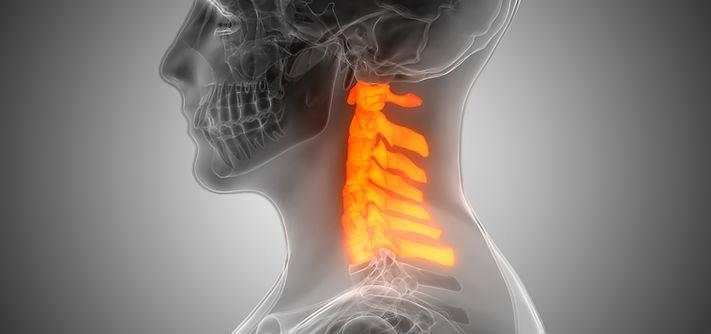
Conditions we treat
Understanding Neck Pain
Neck pain is one of the most common musculoskeletal complaints among adults in New York City, affecting office workers, athletes, and people of all ages. The cervical spine — a complex structure of seven vertebrae, intervertebral discs, the spinal cord, branching nerve roots, ligaments, and muscles — supports the full weight of your head while providing remarkable range of motion. When any of these structures becomes irritated, compressed, or injured, the result can range from mild neck stiffness to debilitating chronic neck pain that interferes with work, sleep, and daily activities. Whether caused by poor posture at a desk, a sports injury, whiplash, or an underlying spinal condition, neck pain demands a thorough evaluation by an experienced neck pain doctor who understands cervical spine biomechanics.
At City Integrative Rehabilitation in Manhattan, our expert team of pain specialists and rehabilitation professionals takes a comprehensive, evidence-based approach to diagnosing and treating the full spectrum of neck conditions. Rather than masking symptoms with medication, we identify the contributing factors of your pain and develop a personalized pain management plan that restores function, improves quality of life, and provides lasting pain relief.
Assessment-led care · Manhattan and Great Neck
Acute vs. Chronic Neck Pain
Understanding the difference between acute and chronic neck pain is essential for selecting the right treatment approach. Acute neck pain develops suddenly — typically from a muscle strain, whiplash incident, or sleeping in an awkward position — and usually resolves within a few weeks with appropriate care. Chronic neck pain, on the other hand, persists for 12 weeks or longer and often involves deeper structural issues such as degenerative disc disease, cervical spinal stenosis, or ongoing nerve irritation from a herniated disc. When acute episodes are not properly rehabilitated, compensatory movement patterns develop that perpetuate the cycle of pain and dysfunction. Our team evaluates whether your condition is acute, subacute, or chronic so we can match the right treatment intensity and timeline to your specific situation.
Common Symptoms of Neck Pain
Neck pain presents with a variety of symptoms that differ from person to person. Recognizing your specific pattern helps our pain doctors provide a more accurate diagnosis and targeted treatment plan. Common symptoms include:
Neck stiffness — reduced ability to turn or tilt the head, especially in the morning
Radiating pain — pain that travels into the shoulder, arm, or hand (cervical radiculopathy)
Numbness or tingling — sensation changes in the arms, hands, or fingers from a pinched nerve
Muscle spasms — involuntary contractions in the neck and upper back muscles
Headaches — pain that radiates from the neck to the temples, forehead, or behind the eyes
Weakness — difficulty gripping objects or lifting the arm
Grinding or clicking — audible joint sounds during neck movement
The Relationship Between Neck Pain and Headaches
One of the most significant and frequently overlooked connections in musculoskeletal medicine is the relationship between neck pain and headaches. Cervicogenic headaches — headaches that originate from dysfunction in the cervical spine — are among the most common types of head pain we treat at our Manhattan clinic. When the joints, muscles, or nerves in the upper cervical region become irritated, they can refer pain to the temples, forehead, behind the eyes, and even into the jaw. Many patients who have been treating recurring headaches with medication for years discover that their headaches are actually driven by cervical spine dysfunction. Similarly, TMJ disorders frequently coexist with neck pain, as tension in the cervical muscles directly affects jaw mechanics. By addressing both the neck and the related head and jaw symptoms simultaneously, our team achieves far better results than treating each problem independently.
Frequent Causes of Neck Pain
Neck pain has many potential causes, ranging from everyday habits to serious structural issues. Understanding what drives your symptoms is the first step toward effective treatment.
Poor posture — particularly forward head posture from prolonged computer and smartphone use — is the leading cause we see at our Manhattan clinic. For every inch the head moves forward from neutral alignment, the cervical spine bears an additional ten pounds of load, accelerating wear on discs, joints, and surrounding soft tissues. Good posture habits and ergonomic adjustments are essential for long-term prevention.
Cervical disc herniations and bulging discs can compress nerve roots and cause radiating pain into the arm and hand — a condition known as cervical radiculopathy. Herniated discs in the cervical spine often result from degenerative changes, repetitive strain, or acute trauma. Spinal stenosis — a narrowing of the spinal canal — can compress the spinal cord itself, producing symptoms in both the arms and legs.
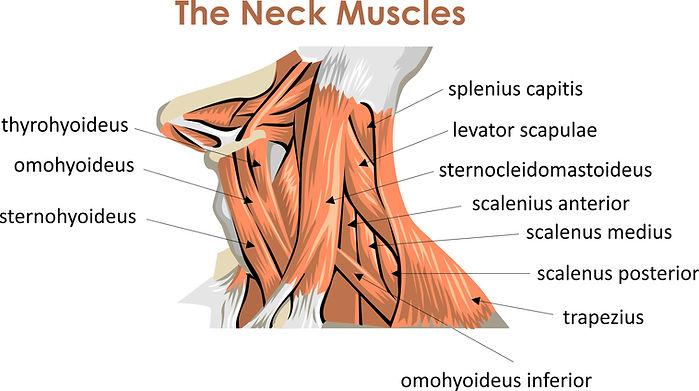
Sports injuries, whiplash from automobile accidents, degenerative disc disease, cervical osteoarthritis, and muscle strains from sudden movements are all frequent causes of neck pain in our patient population. Stress and emotional tension also contribute to chronic muscle tightness, particularly in the upper trapezius and levator scapulae. Additionally, conditions like cervicogenic headaches and TMJ disorders are closely linked to cervical spine dysfunction.
Risk Factors for Developing Neck Pain
Several risk factors increase the likelihood of developing persistent neck problems. Sedentary lifestyles and prolonged sitting — especially common among NYC office workers — place sustained load on the cervical discs and muscles. Jobs that require repetitive overhead work or sustained head-down positions accelerate cervical degeneration. Previous neck injuries, even minor ones, can predispose you to future episodes if the underlying dysfunction was never fully resolved. Smoking reduces blood flow to spinal tissues and impairs healing. Age-related changes in the cervical spine begin as early as the 30s, and psychological factors like anxiety and depression can amplify pain perception, turning an acute episode into a chronic condition. Addressing these risk factors proactively with lifestyle changes and proper posture is key to preventing recurrence.
How Neck Pain Is Diagnosed
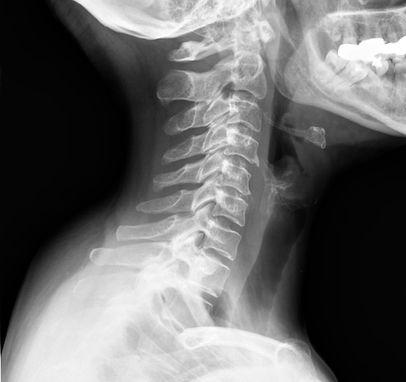
Accurate diagnosis is the foundation of effective neck pain relief. Our doctors begin with a detailed patient history followed by a comprehensive physical examination that includes static and dynamic testing, postural assessment, gait analysis, and evaluation of movement patterns in both the upper and lower extremities. We assess cervical range of motion, test for nerve involvement through neurological screening, and evaluate the thoracic spine and shoulders for contributing dysfunction. When necessary, we may recommend diagnostic imaging such as X-rays, MRI, or CT scans to visualize disc herniations, spinal stenosis, or other structural abnormalities. For complex cases involving potential nerve damage, electrodiagnostic testing may be used to assess nerve function along the spinal cord and peripheral pathways.
Neck Pain Treatment Options at City Integrative Rehabilitation
Our integrative treatment approach draws from multiple disciplines to provide the most comprehensive neck pain care available in New York City. Every treatment plan is customized to the individual patient, targeting the specific structures involved while addressing the full-body mechanics that influence cervical spine health.
Sports Chiropractic
Our chiropractors use precise cervical adjustments and manual therapy techniques to restore proper alignment and joint mobility. Gentle spinal manipulation reduces nerve irritation, relieves muscle tension, and improves range of motion. For patients who prefer low-force techniques, we also offer instrument-assisted adjustments and mobilization approaches.
Physical Therapy
Therapeutic exercises, manual therapy, and neuromuscular retraining are fundamental to lasting neck pain recovery. The rehabilitation team designs targeted strengthening and flexibility programs that stabilize the cervical spine and correct the movement imbalances that contribute to recurring pain.
Shockwave Therapy
Extracorporeal shockwave therapy accelerates tissue healing and reduces chronic pain by delivering targeted acoustic energy to damaged tissues. This advanced modality is especially effective for persistent myofascial pain and chronic muscle tension in the neck and upper back region.
Dynamic Neuromuscular Stabilization (DNS)
DNS uses developmental kinesiology principles to retrain how the brain controls cervical spine stabilization. By addressing faulty motor patterns at the neurological level, DNS creates deeper, more durable improvements than traditional strengthening alone.
Anatomy in Motion (AiM)
Anatomy in Motion examines how the entire body moves through the gait cycle, identifying global movement dysfunctions that may be loading the cervical spine from below. Restrictions in the feet, ankles, or hips can drive compensatory tension patterns that manifest as neck pain.
Additional treatment components may include soft tissue mobilization, myofascial release, dry needling, ergonomic counseling, and postural retraining — all delivered by our collaborative team of specialists.
When to Consider Interventional Pain Management
For patients with severe or persistent neck pain that has not responded adequately to conservative care, interventional pain management procedures may be appropriate. These minimally invasive procedures — performed by pain specialists — target specific pain generators with precision. Epidural steroid injections can reduce inflammation around compressed nerve roots in cases of cervical radiculopathy or spinal stenosis. Facet joint injections and medial branch blocks help identify and treat pain originating from the small joints of the cervical spine. Radiofrequency ablation uses targeted heat energy to disrupt pain signals from damaged nerves, providing relief that can last six months to a year or more. Trigger point injections address persistent myofascial knots that resist manual treatment. These invasive procedures are typically considered after a thorough trial of conservative therapy and are part of a broader, coordinated pain management strategy rather than standalone solutions.
Our Clinic’s Approach
What sets City Integrative Rehabilitation apart is our whole-body approach to neck pain treatment. Rather than simply addressing the site of pain, we examine how your entire body moves and functions to find the contributing factors. Our NYC clinic brings together clinicians and rehabilitation professionals who collaborate on every case. Located conveniently in Manhattan near Central Park, we make it easy for busy New Yorkers to get the expert care they need. We also serve patients from Long Island and the greater NYC metropolitan area. From your first visit, you will receive a thorough evaluation and a clearly explained treatment plan, with your progress monitored at every step.
Choosing the Right Neck Pain Specialist in NYC
Choosing a neck pain doctor in New York City can feel overwhelming given the number of available providers. The most important factors to consider are whether the clinic takes a multidisciplinary approach, whether the practitioners have specific training in cervical spine conditions, and whether the team communicates and collaborates rather than working in silos. At City Integrative Rehabilitation, our pain specialists hold advanced certifications in chiropractic neurology, orthopedic physical therapy, DNS, and Anatomy in Motion. Our expert team works together on complex cases — sharing findings, adjusting strategies, and ensuring that every aspect of your condition is addressed. This collaborative model produces results that single-provider clinics simply cannot match.
Insurance and Scheduling Your First Visit
Insurance participation and benefits vary by plan, provider, location, and service. Contact CityIR so the office can verify current benefits, referrals, deductibles, copays, and authorization requirements before scheduling. Progress is reassessed throughout care rather than tied to a promised timeline.
Lifestyle Changes and At-Home Care for Neck Pain
What you do between clinical visits matters as much as what happens during treatment sessions. Simple lifestyle changes can dramatically reduce neck pain and prevent recurrence. Setting up an ergonomic workstation — with your monitor at eye level, keyboard at elbow height, and feet flat on the floor — reduces sustained cervical strain throughout the workday. Taking movement breaks every 30 to 45 minutes prevents the stiffness that builds from prolonged static postures. Gentle stretching exercises for the neck, upper back, and shoulders help maintain flexibility and circulation. Sleeping with a supportive pillow that maintains neutral cervical alignment makes a significant difference for patients who wake with morning stiffness. Stress management techniques such as breathing exercises and mindfulness can reduce the muscle tension that often compounds neck symptoms. Our team provides individualized home exercise programs and ergonomic guidance tailored to your specific needs and work environment.
Conditions We Treat
Our team specializes in treating a wide range of neck-related conditions, including:
- Cervical disc herniations and bulging discs
- Cervical radiculopathy (pinched nerve in the neck)
- Cervical spinal stenosis
- Degenerative disc disease
- Whiplash and acceleration-deceleration injuries
- Cervicogenic headaches
- TMJ-related neck pain
- Myofascial pain syndrome
- Thoracic outlet syndrome
- Forward head posture and tech neck
- Cervical facet joint syndrome
- Muscle strains and ligament sprains
- Neck-related shoulder pain
- Upper and mid-back pain from cervical dysfunction
- Neurological conditions affecting the cervical spine
Frequently Asked Questions About Neck Pain
What is the most common cause of neck pain?
Poor posture, particularly forward head posture from prolonged computer and smartphone use, is the most frequent cause of neck pain we see at our Manhattan clinic. This places excessive strain on the cervical spine muscles and joints, leading to chronic pain and neck stiffness. Proper posture correction and ergonomic adjustments are essential first steps in treatment.
Can neck pain cause headaches?
Yes. Cervicogenic headaches originate from dysfunction in the cervical spine and are one of the most common types of headaches. Tight muscles, misaligned vertebrae, and irritated nerves in the neck can all trigger headaches that radiate to the temples, forehead, or behind the eyes. Treating the cervical spine dysfunction often resolves the headaches without medication.
How long does neck pain treatment take?
Treatment duration depends on the cause and severity. Acute muscle strains may resolve in two to four weeks, while chronic conditions or disc-related issues may require six to twelve weeks of treatment. Most patients experience noticeable improvement within the first few sessions as our team combines manual therapy, therapeutic exercises, and advanced modalities.
Do I need an MRI for neck pain?
Not always. Many cases of neck pain can be accurately diagnosed through a thorough physical examination. However, if symptoms suggest nerve compression, a herniated disc, spinal stenosis, or other structural issues, imaging such as MRI may be recommended to guide treatment decisions and rule out conditions requiring more aggressive intervention.
What is cervical radiculopathy?
Cervical radiculopathy occurs when a nerve root in the cervical spine becomes compressed or irritated — typically by a herniated disc, bone spur, or narrowing of the spinal canal. Symptoms include pain, numbness, tingling, or weakness that radiates from the neck into the shoulder, arm, or hand. Our team uses a combination of manual therapy, targeted exercises, and when appropriate, referral for minimally invasive procedures to relieve nerve compression and restore normal function.
Can I prevent neck pain from coming back?
Absolutely. Maintaining proper posture throughout the day, performing regular strengthening and flexibility exercises, setting up an ergonomic workspace, managing stress, and staying physically active all play critical roles in prevention. Our team provides each patient with a personalized maintenance program designed to keep you with fewer symptoms and limitations after completing your course of treatment.
Ready to start your recovery? · Get expert treatment in NYC
Don’t let neck pain control your life.
At City Integrative Rehabilitation, our team of specialists will create a personalized treatment plan to get you back to living with fewer symptoms and limitations. Contact our Manhattan clinic today to schedule your consultation.
Book an AppointmentView All Conditions We Treat | Learn About Shockwave Therapy
Great Neck: (516) 418-3798Manhattan: (646) 256-9513Huntington: (631) 659-2980Nesconset: (631) 584-8783