Lower Back Pain Treatment
Understanding Lower Back Pain
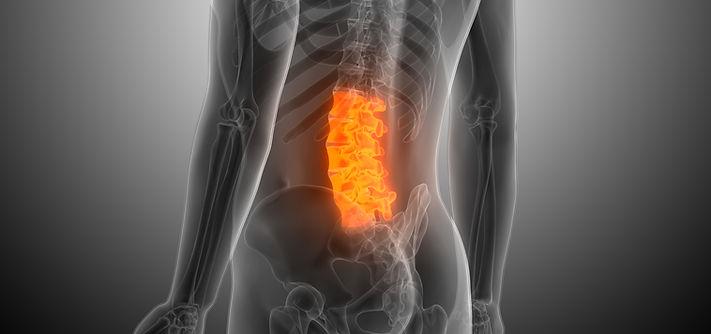
Lower back pain is one of the most common musculoskeletal conditions affecting adults in New York City and across the United States, impacting over 80 million people each year. Whether it presents as a dull ache after a long day at your desk in Midtown or sharp, severe pain that stops you mid-stride walking through Central Park, low back pain disrupts every part of daily life. The lumbar spine consists of five vertebrae (L1–L5) supported by an intricate network of joints, intervertebral discs, ligaments, tendons, and muscles — along with the spinal cord and branching nerve roots — that provide both stability and mobility. When any of these structures becomes injured, inflamed, or degenerative, the result is often debilitating pain that demands expert attention from an experienced back pain specialist.

At City Integrative Rehabilitation, our NYC-based team of back pain doctors specializes in diagnosing and treating the full spectrum of lower back conditions. Whether your pain originates from the lumbar vertebrae, sacroiliac (SI) joints, pelvic region, or surrounding soft tissues, we take a thorough, evidence-based approach to identify the true source of your symptoms and develop a personalized pain management plan that gets you back to the activities you love.
Acute vs. Chronic Lower Back Pain
Not all back problems behave the same way, and understanding the difference between acute and chronic lower back pain is essential for effective treatment. Acute low back pain typically develops suddenly — often from a lifting injury, awkward movement, or muscle strain — and usually improves within a few weeks with appropriate care. Chronic back pain, on the other hand, persists for 12 weeks or longer and often involves deeper structural issues such as degenerative disc disease, facet joint arthropathy, or ongoing nerve irritation. Chronic pain can also develop when an acute episode is not properly rehabilitated, leading to compensatory movement patterns that create new problems over time. Our team evaluates whether your condition is acute, subacute, or chronic so we can match the right treatment intensity and timeline to your specific situation.
Common Symptoms of Lower Back Pain
Lower back pain presents differently for each patient. Recognizing your specific symptoms helps our team provide a more accurate diagnosis and targeted treatment plan. Common symptoms include:
- Localized pain — dull, aching, or sharp pain in the lower back region
- Stiffness and tightness — reduced range of motion, especially in the morning
- Radiating pain — pain that travels into the buttocks, hips, or down the legs (sciatica)
- Numbness or tingling — sensation changes in the legs or feet
- Muscle spasms — involuntary contractions in the lower back muscles
- Weakness — difficulty with standing, walking, or lifting
- Popping or clicking — audible or palpable joint sounds during movement
- Burning sensations — often associated with nerve involvement
How Lower Back Pain Connects to Other Conditions
One of the most overlooked aspects of low back pain is how frequently it relates to symptoms elsewhere in the body. Patients often come to our Manhattan clinic reporting headaches, neck pain, or hip stiffness — only to discover that their lower back is the driving factor. Sciatica, where a herniated disc or bone spur compresses a nerve root and sends pain shooting down the leg, is one of the most common examples. Similarly, sacroiliac joint dysfunction can mimic hip pain or create referred discomfort in the groin and upper back. Even chronic headaches can stem from postural imbalances rooted in the lumbar and thoracic spine. By evaluating the full picture rather than treating symptoms in isolation, we uncover connections that other providers miss.
Common Causes and Risk Factors
Lower back pain can develop from a single injury or gradually from repetitive stress, poor posture, or age-related changes. The most common causes we see at our Manhattan clinic include muscular strains and ligament sprains from overexertion or improper lifting, herniated or bulging discs that compress nearby nerves, degenerative disc disease from natural aging, facet joint syndrome, spinal stenosis, sacroiliac joint dysfunction, scoliosis, and nerve impingement conditions like sciatica and radiculopathy.
Several risk factors increase the likelihood of developing persistent back problems. Sedentary lifestyles and prolonged sitting — especially common among NYC office workers — place sustained load on the lumbar discs. Obesity adds mechanical stress to the spine with every step. High-impact sports and repetitive physical labor accelerate disc degeneration. Smoking reduces blood flow to spinal tissues and slows healing. Age-related changes begin as early as the 30s, and psychological stress can amplify pain perception, turning an acute episode into a chronic condition. Recognizing these risk factors early allows our team to address contributing issues before they compound.

How Lower Back Pain Is Diagnosed
Accurate diagnosis is the foundation of effective back pain relief. Our doctors begin with a detailed patient history followed by a comprehensive physical examination that includes static and dynamic testing, postural assessment, gait analysis, and evaluation of movement patterns in both the upper and lower extremities. We look beyond the site of pain to identify contributing factors throughout the kinetic chain. When necessary, we may recommend diagnostic imaging such as X-rays, MRI, or CT scans to visualize the underlying structures and confirm our clinical findings. For complex cases involving potential nerve damage, we may also utilize electrodiagnostic testing to assess nerve function along the spinal cord and peripheral pathways.
Lower Back Pain Conditions We Treat
Our team treats the full range of lower back conditions, including:
- Disc Herniation and Bulging Discs
- Degenerative Disc Disease (DDD)
- Facet Joint Syndrome
- Spinal Stenosis, Spondylosis, and Spondylolisthesis
- Sacroiliac (SI) Joint Dysfunction
- Pelvic Floor Dysfunction
- Sciatica and Radiculopathy
- Piriformis Syndrome
- Myofascial Pain Syndrome
- Abnormal Posture and Leg Length Discrepancy
- Diastasis Recti and Core Dysfunction
- Sports Injuries and Nerve Impingement
- Scoliosis
- Pre and Post-Surgical Rehabilitation
Treatment Options for Lower Back Pain
At City Integrative Rehabilitation, we offer a comprehensive suite of evidence-based treatments tailored to your specific condition and goals. Our conservative approach to pain management focuses on resolving the root cause — not just masking symptoms — so you experience lasting back pain relief rather than temporary fixes. Treatment options include chiropractic adjustments and spinal manipulation, physical therapy and therapeutic exercise programs, extracorporeal shockwave therapy (ESWT), soft tissue mobilization and myofascial release, postural correction and ergonomic training, core stabilization programs, neuromuscular re-education, and custom rehabilitation protocols.
For patients with chronic back pain or complex conditions, we develop multi-phase treatment plans that progress from pain reduction through functional restoration to long-term prevention. Unlike approaches that rely on epidural steroid injections or radiofrequency ablation as first-line solutions, we prioritize hands-on rehabilitation that teaches your body to move and stabilize correctly. When patients do require interventional procedures, we coordinate with trusted pain management doctors and surgeons to ensure continuity of care. Our goal is always to exhaust conservative options first and avoid unnecessary surgical intervention.
When Surgery May Be Considered
The vast majority of lower back pain responds well to conservative treatment, and surgery is rarely the first recommendation. However, certain conditions — such as a severely herniated disc causing progressive neurological deficits, spinal cord compression, or spinal instability — may require surgical evaluation. If our clinical assessment suggests that conservative care has been fully explored and your symptoms continue to significantly limit your quality of life, we will refer you to a trusted spine surgeon and manage your pre and post-surgical rehabilitation to optimize your outcome. Many patients who initially consider surgery find that a thorough rehabilitative approach resolves their symptoms without going under the knife.
Our Approach at City Integrative Rehabilitation
What sets our NYC clinic apart is our whole-body, integrative approach to lower back pain. We understand that the region where you feel pain is not always the region causing your problem. Our doctors evaluate the entire kinetic chain — from your feet and ankles through your hips, pelvis, and spine — to uncover the true origin of your symptoms. This thorough examination includes dynamic and static testing, postural evaluation, gait analysis, and assessment of the movement patterns that trigger your pain. Based on these findings, we create an individualized treatment plan with targeted corrective exercises designed specifically for your needs, helping you recover faster and prevent future episodes.

Sacroiliac Joint Pain and Lower Back Dysfunction
The sacroiliac joints sit at the base of the spine where the sacrum meets the pelvis, and dysfunction here is one of the most frequently misdiagnosed sources of low back pain. SI joint problems can produce deep, one-sided pain in the lower back and buttock that worsens with prolonged sitting or transitioning from sitting to standing — a pattern many NYC commuters know well. Because the SI joint connects the spine to the pelvis, dysfunction here often creates compensatory strain through the lumbar spine, hips, and even the upper back. Our back pain specialists use targeted provocation tests alongside movement analysis to differentiate SI joint pain from disc or facet-related conditions, then apply specific mobilization and stabilization techniques to restore normal joint mechanics.
Preventing Lower Back Pain
Prevention is just as important as treatment, particularly for patients who have already experienced one episode of low back pain (research shows recurrence rates above 60% within a year). Our team provides practical strategies tailored to the demands of city living. For office workers, we address workstation ergonomics and teach micro-movement routines that counteract hours of sitting. For drivers and commuters, we focus on seat positioning, lumbar support, and stretches you can do during breaks. Core strengthening, hip mobility work, and postural awareness form the foundation of every prevention program we design. We also educate patients on proper lifting mechanics, sleep positioning, and stress management techniques that reduce the muscular tension contributing to chronic back pain.
At-Home Care Between Visits
While professional treatment drives recovery, what you do between appointments matters enormously. We equip every patient with a personalized home exercise program that reinforces the progress made in our clinic. Gentle movement, targeted stretching, and progressive strengthening exercises help maintain mobility and build the muscular support your spine needs. We also guide patients on appropriate use of heat and ice, activity modification during flare-ups, and breathing techniques that reduce pain-related muscle guarding. These at-home strategies accelerate your recovery timeline and give you tools to manage mild episodes independently, improving your overall quality of life long after your treatment plan concludes.
Recovery Timeline
Recovery from lower back pain varies depending on the underlying condition, severity, and your commitment to the treatment plan. Many patients experience significant pain relief within the first two to four weeks of consistent treatment. Acute muscular strains and mild disc issues often resolve within six to eight weeks, while more complex conditions such as degenerative disc disease, spinal stenosis, or post-surgical rehabilitation may require three to six months of ongoing care. Our team monitors your progress closely and adjusts your treatment plan as needed to ensure optimal outcomes.
Choosing the Right Back Pain Specialist in NYC
New York City offers no shortage of providers claiming to treat lower back pain, which can make choosing the right pain specialist overwhelming. We recommend looking for a practice that performs a thorough physical examination — not one that jumps straight to imaging or injections. Ask whether the provider evaluates your movement patterns, posture, and gait as part of the diagnostic process. A truly integrative approach should combine hands-on treatment with corrective exercise rather than relying solely on passive modalities. At City Integrative Rehabilitation, our team of chiropractic and physical therapy professionals works collaboratively under one roof, giving you access to multiple disciplines without the hassle of coordinating between separate offices across Manhattan.
When to Seek Treatment for Lower Back Pain
While occasional mild back discomfort may resolve on its own, you should seek professional evaluation if your pain persists beyond a few days, worsens over time, radiates into your legs, causes numbness or weakness, disrupts your sleep, or limits your ability to work or perform daily activities. Early intervention is key — the sooner lower back pain is properly diagnosed and treated, the better the outcome and the lower the risk of developing a chronic condition. If you are unsure where to start, our team is happy to discuss your symptoms over the phone and help you determine the right next step.

Frequently Asked Questions About Lower Back Pain
What is the most common cause of lower back pain?
The most common causes of lower back pain are muscular strains, ligament sprains, and disc-related issues such as herniated discs or degenerative disc disease. Poor posture, sedentary lifestyles, and improper lifting mechanics also contribute significantly. At our NYC clinic, we perform a thorough evaluation to determine the exact cause of your symptoms and develop a targeted pain management strategy.
How long does lower back pain typically last?
Acute lower back pain often improves within a few weeks with proper treatment. However, without addressing the underlying cause, pain can become chronic and recurrent. Our treatment plans at City Integrative Rehabilitation focus on resolving the root cause to provide lasting back pain relief and prevent recurrence — not just temporary symptom suppression.
Should I see a chiropractor or physical therapist for lower back pain?
Both chiropractic care and physical therapy are effective for lower back pain, and research supports combining both for optimal results. At City Integrative Rehabilitation, we integrate both disciplines in one practice, allowing our team to create the most comprehensive treatment plan for your specific condition. Serving patients throughout Manhattan and the greater NYC area, we tailor each approach to your needs.
Can lower back pain be a sign of something serious?
In most cases, lower back pain is caused by musculoskeletal issues that respond well to conservative treatment. However, symptoms like progressive weakness, loss of bladder or bowel control, unexplained weight loss, or severe pain that worsens at night should be evaluated immediately. Our back pain doctors can help determine whether your symptoms require urgent attention or can be effectively managed through rehabilitative care.
Do I need an MRI for my lower back pain?
Not always. Many cases of low back pain can be accurately diagnosed through a thorough physical examination alone. Imaging is most useful when symptoms suggest nerve compression, a herniated disc with progressive deficits, or when conservative treatment has not produced expected improvement. Our doctors will recommend imaging only when it will meaningfully change your treatment plan, helping you avoid unnecessary costs and radiation exposure.
What is the difference between a back pain doctor and a pain management doctor?
Pain management doctors typically focus on interventional procedures such as epidural steroid injections, nerve blocks, and radiofrequency ablation to reduce pain signals. A back pain doctor or pain specialist at a rehabilitative practice like ours focuses on identifying and correcting the mechanical cause of your pain through hands-on treatment and therapeutic exercise. Both approaches have their place, and we coordinate with pain management doctors when interventional support is appropriate alongside your rehabilitation program.
Ready to Start Your Recovery?
Our team at City Integrative Rehabilitation takes a comprehensive, whole-body approach to identify the root cause of your pain — not just mask the symptoms. Every treatment plan is personalized to your needs.
View All Conditions We Treat · Learn About Shockwave Therapy
At CityIR, we use Storz Medical shockwave technology — the most researched and clinically validated shockwave system in the world, backed by over 400 peer-reviewed studies. This means better outcomes for our patients.
Get expert treatment in NYC
Book Your Appointment GN: (516) 418-3798 NYC: (646) 256-9513 WH: (631) 659-2980