
Aching or sharp pain between the shoulder blades
Conditions we treat
Mid-Back Pain Treatment
Mid-back symptoms may involve the thoracic spine, ribs, breathing mechanics, posture, or demands from adjacent regions.
Book an evaluation ↗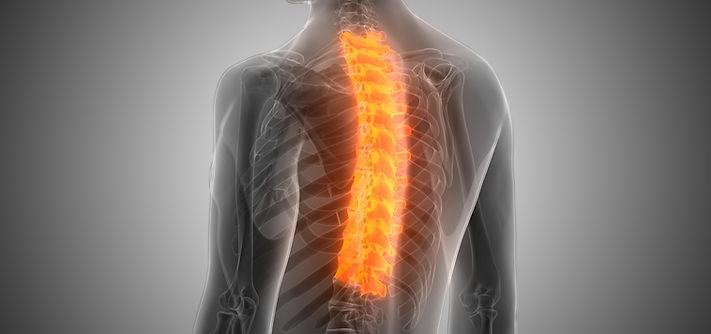
Conditions we treat
Understanding Mid-Back Pain
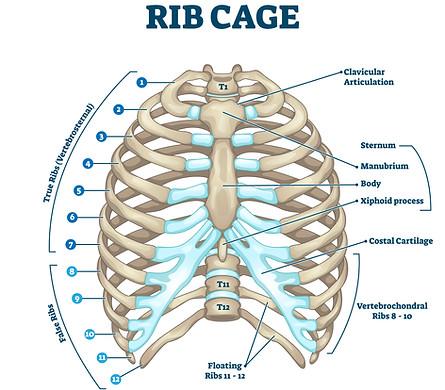
Mid-back pain — also known as thoracic spine pain — affects the region between the base of the neck and the bottom of the rib cage. While less common than lower back pain or neck pain, thoracic spine conditions can be equally debilitating and are frequently underdiagnosed. The thoracic spine consists of 12 vertebrae (T1-T12) that articulate with the rib cage, creating a relatively stable but complex region responsible for postural support, breathing mechanics, and force transmission between the upper and lower body. Poor posture, prolonged desk work, and the demands of city living can contribute to mid-back symptoms in people who spend long hours sitting or working at a desk. Whether your pain stems from muscle strain, thoracic disc herniation, costovertebral joint dysfunction, or postural imbalance, City Integrative Rehabilitation provides assessment-led mid-back care in NYC, with treatment selected around the diagnosis, contributing factors, and functional goals.
Assessment-led care · Manhattan and Great Neck
Acute vs. Chronic Mid-Back Pain
Understanding whether your mid-back pain is acute or chronic is essential for determining the most effective treatment approach. Acute mid-back pain develops suddenly — often from a sudden twist, heavy lifting, or trauma — and typically improves within a few weeks with appropriate medical care. Chronic mid-back pain persists for three months or longer and usually involves deeper structural issues such as thoracic disc degeneration, chronic costovertebral joint dysfunction, or persistent postural imbalance. The severity of the condition often determines whether conservative treatment alone is sufficient or whether more advanced interventions are needed. When acute thoracic injuries are not properly treated, they frequently progress to chronic conditions that become increasingly difficult to manage. Our pain doctors evaluate the timeline, mechanism, and pattern of your symptoms to determine the most effective treatment strategy.
Common Symptoms of Mid-Back Pain
Mid-back pain presents with a variety of symptoms depending on the underlying cause. Recognizing your specific pattern helps our clinicians provide a more accurate diagnosis and targeted treatment plan. Common symptoms include:
Stiffness in the mid-back — particularly after prolonged sitting or standing
Pain that wraps around the rib cage
Pain that worsens with deep breathing, coughing, or twisting
Burning sensation or tightness across the upper back
Muscle spasms in the thoracic region
Pain that increases with prolonged desk work or driving
Difficulty maintaining upright posture
Referred pain to the chest wall that may mimic cardiac or lung conditions
Common Causes of Mid-Back Pain
Additional causes include thoracic spine osteoarthritis, Scheuermann’s disease, compression fractures (particularly in older adults with osteoporosis), intercostal neuralgia, scoliosis, and referred pain from visceral organs. Cervical spine dysfunction and lumbar spine issues frequently contribute to thoracic pain by altering the biomechanics of the entire spinal column.
Thoracic muscle strain and myofascial pain
Thoracic muscle strain and myofascial pain are the most common causes of mid-back pain. Prolonged poor posture — particularly the forward head and rounded shoulder position common among desk workers — overloads the muscles and soft tissues of the thoracic spine. Trigger points in the rhomboids, trapezius, and erector spinae muscles create persistent aching and burning between the shoulder blades.
Costovertebral and costotransverse joint dysfunction
Costovertebral and costotransverse joint dysfunction occurs where the ribs attach to the thoracic vertebrae. These joints can become restricted or irritated from poor posture, repetitive movements, or trauma, causing sharp localized pain that often worsens with breathing and twisting. This is one of the most frequently overlooked causes of mid-back pain.
Thoracic disc herniation
Thoracic disc herniation is less common than cervical or lumbar disc herniations but can cause significant pain when it occurs. A herniated thoracic disc can compress nerve roots, causing pain that radiates along the rib cage, numbness, and in rare cases, myelopathy (spinal cord compression).
Thoracic facet joint syndrome
Thoracic facet joint syndrome involves inflammation or degeneration of the small joints that connect adjacent vertebrae. Facet joint dysfunction causes localized pain that worsens with extension and rotation, and is common in people with poor posture or spinal degeneration.
Risk Factors for Mid-Back Pain
Several factors increase the likelihood of developing mid-back problems. Prolonged sitting — particularly in poorly designed office chairs or with improper ergonomics — is one of the most significant risk factors, making desk-bound NYC professionals especially vulnerable. Poor posture, including excessive thoracic kyphosis (rounding of the upper back), places chronic stress on thoracic structures. Sedentary lifestyles weaken the postural muscles that support the thoracic spine. Heavy lifting with improper mechanics increases the risk of muscle strain and disc injury. Stress and anxiety contribute to tension in the upper back and shoulder muscles. Previous spinal injury alters thoracic mechanics and predisposes to future problems. Osteoporosis — particularly in postmenopausal women — increases the risk of thoracic compression fractures. Smoking accelerates disc degeneration throughout the spine.
How Mid-Back Pain Is Diagnosed
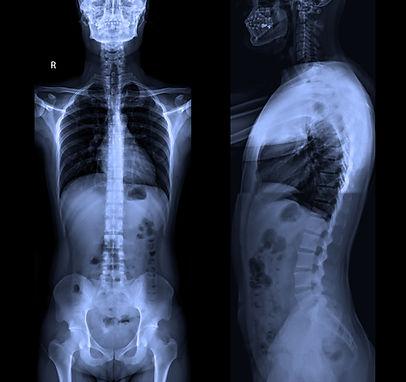
Accurate diagnosis is the foundation of effective mid-back pain relief. Our doctors begin with a detailed patient history followed by a comprehensive physical examination that includes thoracic spine range of motion testing, segmental mobility assessment, rib mobility testing, postural evaluation, and neurological screening. We examine the entire spinal column — including the cervical and lumbar spine — because dysfunction above or below the thoracic region frequently contributes to mid-back symptoms. When necessary, we may recommend diagnostic imaging such as X-rays or MRI to visualize disc herniations, fractures, or other structural abnormalities. Importantly, thoracic pain can sometimes mimic cardiac, pulmonary, or gastrointestinal conditions, and our clinicians are trained to identify red flags that require further medical evaluation.
Mid-Back Pain Treatment Options at City Integrative Rehabilitation
Our integrative treatment approach draws from multiple disciplines to provide the most comprehensive mid-back pain care available in New York City. Every treatment plan is customized to the individual patient based on the specific diagnosis, the severity of the condition, and your functional goals.
Sports Chiropractic
Our chiropractors specialize in thoracic spine and rib mobilization techniques that restore proper segmental movement and alignment. Thoracic joint restrictions and rib fixations are among the most responsive conditions to chiropractic care. When clinically appropriate, targeted adjustments may be used to address joint mobility and comfort.
Physical Therapy
Physical therapy is essential for lasting mid-back pain relief. Our rehabilitation clinicians design progressive rehabilitation programs that strengthen the postural muscles, improve thoracic mobility, and retrain proper movement patterns. Manual therapy techniques — including thoracic mobilization and myofascial release — address tissue restrictions and reduce pain. Postural retraining is a critical component for preventing recurrence.
Shockwave Therapy
Extracorporeal shockwave therapy delivers targeted acoustic energy to chronic muscle trigger points and soft tissue adhesions, supporting local tissue recovery and function. This modality is particularly effective for chronic myofascial pain in the thoracic region that resists conventional treatment.
Dynamic Neuromuscular Stabilization (DNS)
DNS uses developmental kinesiology principles to retrain how the brain controls spinal stabilization and breathing mechanics. Because the thoracic spine is intimately connected to respiratory function, DNS is particularly valuable for mid-back pain — addressing both postural and breathing dysfunction simultaneously.
Anatomy in Motion (AiM)
Anatomy in Motion examines how the entire body moves through the gait cycle, identifying global movement dysfunctions that may be overloading the thoracic spine. Restrictions in rib cage rotation, shoulder movement, and pelvic mechanics frequently drive compensatory stress patterns that manifest as mid-back pain.
When to Consider Advanced Interventions
For patients with severe mid-back pain that has not responded adequately to conservative care, advanced interventional procedures may be appropriate. Trigger point injections can provide relief for chronic myofascial pain. Thoracic epidural injections may be considered for disc herniations causing radiculopathy. Facet joint injections can help diagnose and treat facet-mediated thoracic pain. These minimally invasive procedures are typically considered after a thorough trial of conservative therapy.
For cases of significant structural pathology — such as large thoracic disc herniations causing myelopathy, unstable compression fractures, or severe spinal deformity — surgical consultation may be recommended. Our team provides comprehensive pre- and post-surgical rehabilitation to optimize outcomes for patients who undergo thoracic spine surgery.
The Thoracic Spine-Posture-Breathing Connection
The thoracic spine plays a unique role in the body — it is the only spinal region that directly articulates with the rib cage, making it the primary mechanical link between posture and breathing. When the thoracic spine becomes stiff or excessively kyphotic, rib cage expansion is restricted, breathing becomes shallow, and the diaphragm cannot function optimally. This creates a cascade of compensations: the neck and shoulders work harder to assist breathing, the lumbar spine absorbs more rotational stress, and the entire body’s movement efficiency suffers. At City Integrative Rehabilitation, we address this critical connection — restoring thoracic mobility not only relieves mid-back pain but improves breathing, posture, and overall movement quality.
Our Clinic’s Approach: Why Choose City Integrative Rehabilitation
What sets City Integrative Rehabilitation apart is our whole-body approach to mid-back pain treatment. Rather than simply addressing the site of pain, we examine how your entire spine, rib cage, and body moves and functions to identify relevant contributing factors. Our NYC clinic brings together chiropractors and rehabilitation clinicians who collaborate on every case — sharing findings, adjusting strategies, and ensuring that every aspect of your condition is addressed. Our Midtown Manhattan office is located at 420 Madison Avenue, near Grand Central and Rockefeller Center.
Insurance and Scheduling Your First Visit
Insurance participation and benefits vary by plan and service. Our administrative team can help verify benefits before your first appointment. We offer flexible scheduling options, including early morning and evening appointments, to accommodate the demanding schedules of NYC professionals. New patients can request an appointment by calling our office or using our online booking system. An evaluation can clarify the diagnosis, appropriate next steps, and measurable goals for care.
At-Home Care and Lifestyle Modifications for Mid-Back Pain
What you do between clinical visits plays a critical role in your recovery. Ergonomic workstation adjustments — including proper chair height, monitor position at eye level, and regular standing breaks — are among the most impactful changes you can make. Thoracic extension exercises over a foam roller help counteract the forward rounding that comes from prolonged sitting. Gentle rotation stretches improve rib cage mobility and reduce stiffness. Breathing exercises that emphasize diaphragmatic expansion help restore proper thoracic mechanics. Regular movement throughout the day — standing, walking, and stretching every 30 to 45 minutes — prevents the postural fatigue that triggers mid-back pain. Our team provides each patient with individualized home exercise programs tailored to their specific condition and daily demands.
Conditions We Treat
Our team specializes in treating a wide range of thoracic spine conditions, including:
Thoracic muscle strain and myofascial pain
Costovertebral and costotransverse joint dysfunction
Thoracic disc herniations
Thoracic facet joint syndrome
Intercostal neuralgia
Scheuermann’s disease
Thoracic compression fractures
Postural syndrome and upper crossed syndrome
Scoliosis-related thoracic pain
Frequently Asked Questions About Mid-Back Pain
Can mid-back pain be caused by poor posture?
Yes. Poor posture is one of the leading causes of mid-back pain, particularly among office workers and students who spend long hours sitting. Forward head posture and rounded shoulders place excessive strain on the thoracic muscles and joints, leading to chronic pain, stiffness, and fatigue. Postural correction through targeted exercises, ergonomic adjustments, and manual therapy is one of the most effective treatments for posture-related mid-back pain.
Why does my mid-back pain get worse when I breathe deeply?
Pain with deep breathing often indicates costovertebral or costotransverse joint dysfunction — where the ribs articulate with the thoracic spine. These joints must move with every breath, so when they become restricted or inflamed, breathing aggravates the pain. Chiropractic care and manual therapy are particularly effective for restoring normal rib mechanics and relieving this type of mid-back pain.
Can mid-back pain be related to neck or lower back problems?
The thoracic spine functions as the bridge between the cervical and lumbar regions. Dysfunction in the neck or lower back frequently creates compensatory stress in the thoracic spine, and vice versa. This is why our doctors always evaluate the entire spinal column when treating mid-back pain — addressing only the symptomatic area often provides only temporary relief.
Is mid-back pain ever a sign of something serious?
While most mid-back pain is musculoskeletal in origin, thoracic pain can occasionally indicate more serious conditions including cardiac problems, pulmonary issues, or gastrointestinal conditions. Our clinicians are trained to identify red flag symptoms that require further medical evaluation. If you experience mid-back pain accompanied by chest pain, shortness of breath, unexplained weight loss, or neurological symptoms, seek medical attention promptly.
Ready to start your recovery? · Get expert treatment in NYC
Don’t let mid-back pain hold you back.
City Integrative Rehabilitation offers expert thoracic spine pain treatment in Manhattan using advanced, non-surgical techniques. Schedule your consultation today and take the first step toward recovery.
Book an AppointmentView All Conditions We Treat | Learn About Shockwave Therapy
Great Neck: (516) 418-3798Manhattan: (646) 256-9513Huntington: (631) 659-2980Nesconset: (631) 584-8783