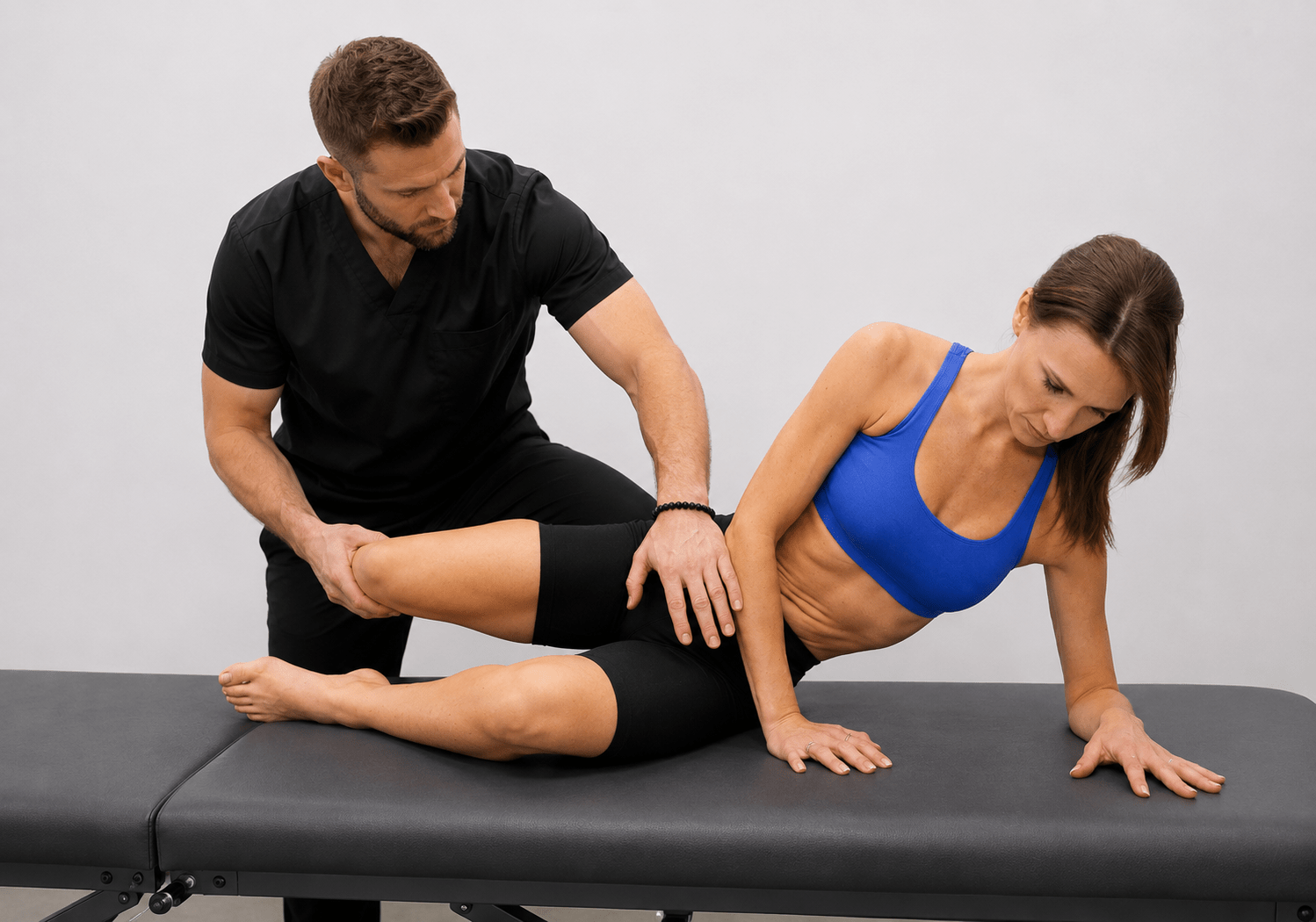
Functional Assessment
Your provider evaluates your posture, breathing patterns, and movement quality using developmental positions to identify where your stabilization system is failing.
 Book an appointment
 DYNAMIC NEUROMUSCULAR STABILIZATION
A Prague-developed clinical method that restores the foundational movement patterns you were built on—then retrains your nervous system to use them.
THE BASICS
Dynamic Neuromuscular Stabilization (DNS) is a clinical approach developed at the Prague School of Rehabilitation. It’s based on a simple but powerful idea: every healthy infant follows the same sequence of movement development—rolling, crawling, squatting—and these patterns are the foundation of optimal movement throughout life.
When injury, poor posture, or repetitive strain disrupts these foundational patterns, the body compensates. Over time, those compensations lead to pain, instability, and decreased performance. DNS identifies where the breakdown occurred and retrains your nervous system to restore proper stabilization and movement control.
THE MECHANISM
Unlike traditional rehab that targets individual muscles, DNS works on the entire stabilizing system—training your brain and body to coordinate movement the way they were designed to.
Your provider evaluates your posture, breathing patterns, and movement quality using developmental positions to identify where your stabilization system is failing.
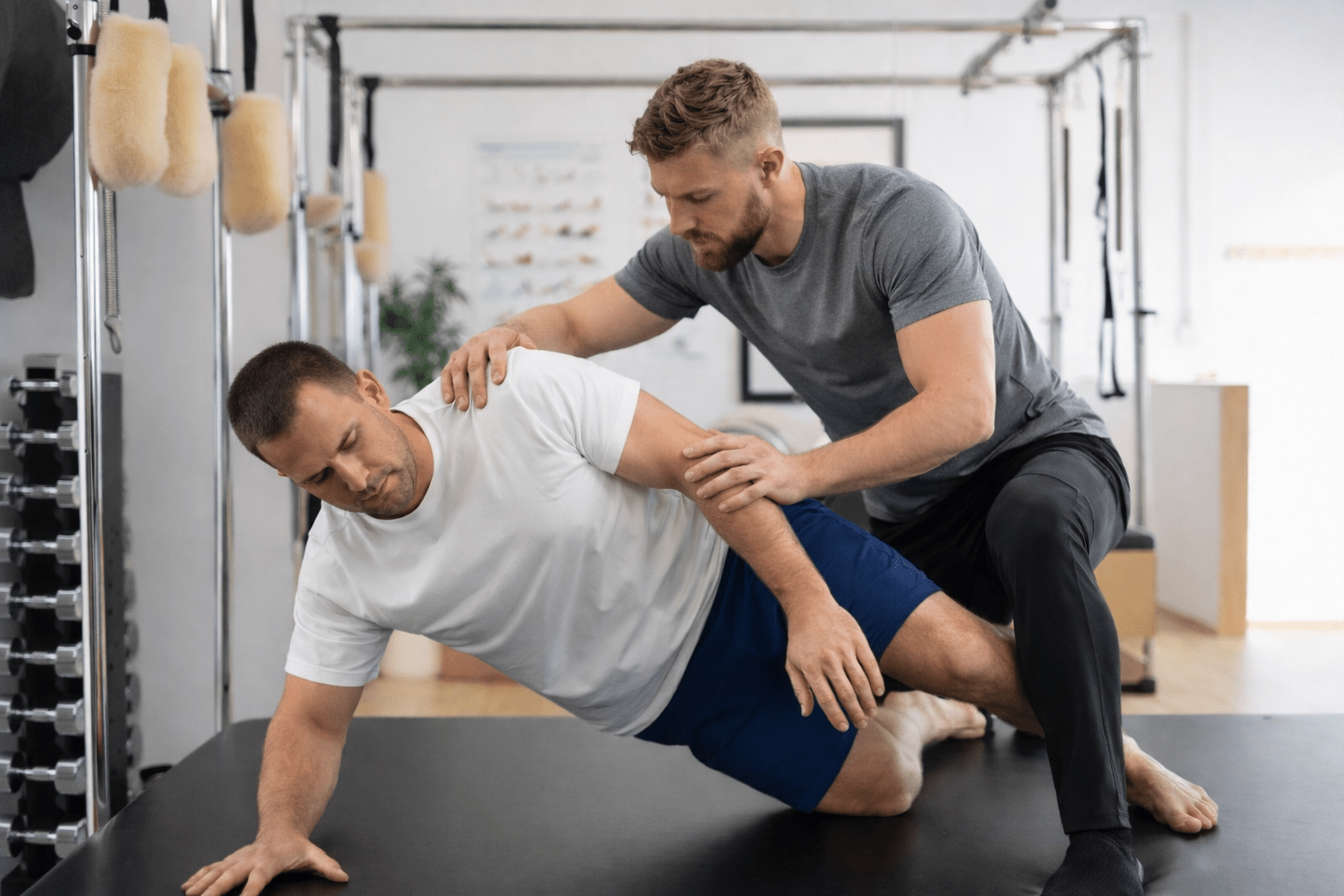
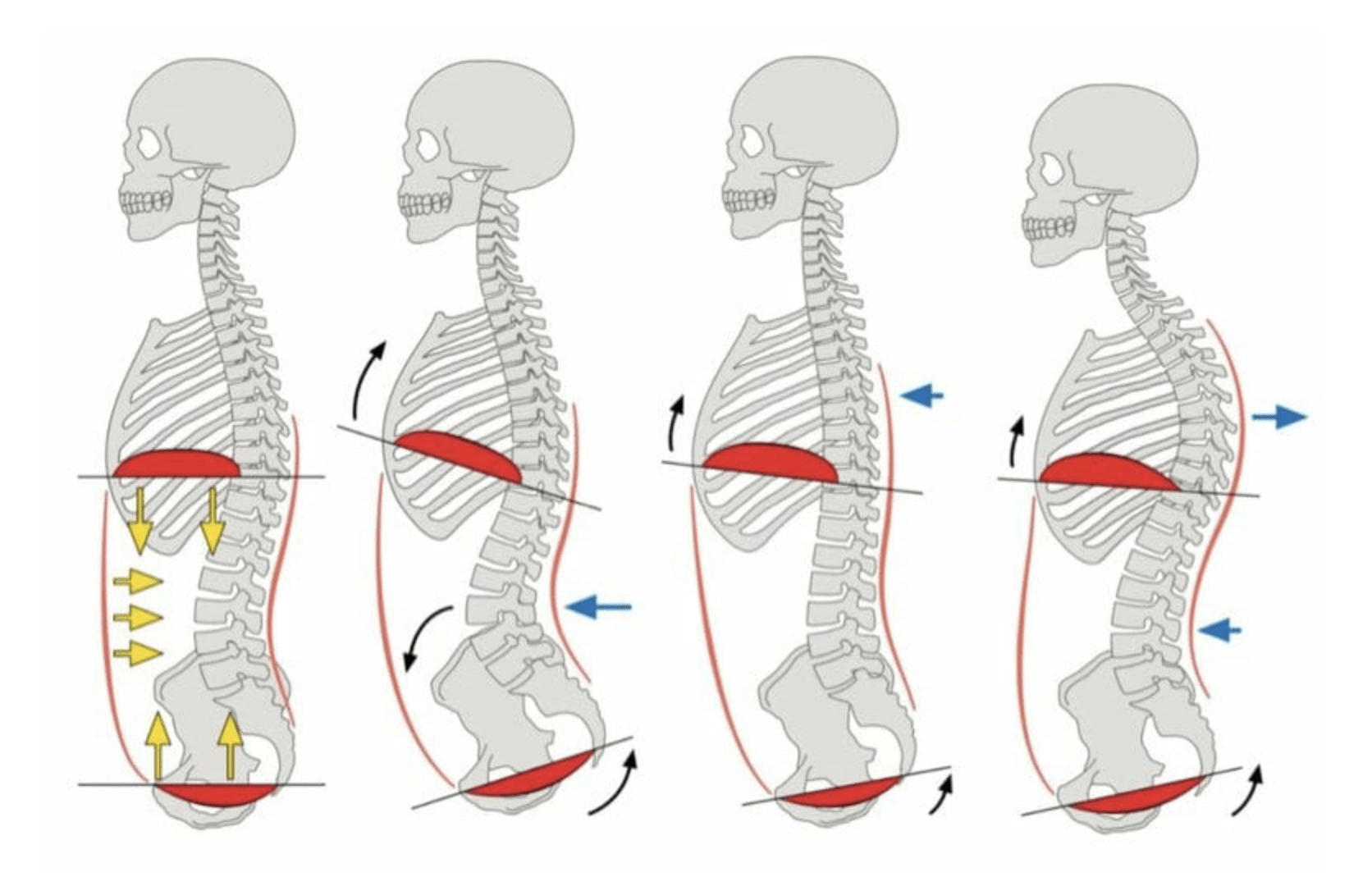
Through specific positions and gentle manual cues, we activate deep stabilizing muscles—including the diaphragm, pelvic floor, and deep spinal stabilizers—that are often inhibited by pain or compensation.
You’ll practice functional exercises based on developmental positions (such as modified crawling, kneeling, and squatting) that retrain your body’s automatic stabilization response.
As your stabilization improves, exercises progress to match the demands of your daily life, sport, or occupation—so gains in the clinic translate to real-world results.
WHO IT HELPS
DNS is effective across a wide range of patients and conditions:
WHY US
DNS requires specialized training that most providers don’t have. Our team in Midtown Manhattan includes practitioners certified through the Prague School who integrate DNS into a comprehensive treatment plan alongside Sports Chiropractic, manual therapy, and sport-specific rehabilitation.
This means DNS isn’t used in isolation—it’s woven into your care plan so that the stability you build in developmental positions carries over to your adjustments, your exercises, and your everyday movement.
THE PROCESS
Your first session includes a detailed evaluation of your posture, breathing, and movement in various developmental positions. This reveals where your stabilization strategy is breaking down.
Sessions involve hands-on facilitation to activate proper stabilization patterns, followed by guided exercises that reinforce what your body learns. Most patients notice a difference in how they move within the first few sessions.
You’ll receive specific exercises to practice between visits. Consistency with your home program is key to making DNS changes permanent.
Conditions
FAQ
Dynamic Neuromuscular Stabilization is a clinical method developed at the Prague School of Rehabilitation. It’s based on the movement patterns every healthy infant develops—rolling, crawling, squatting—and retrains your nervous system to use those foundational patterns again.
Your provider evaluates your posture, breathing, and movement in developmental positions to find where your stabilization is breaking down, then uses gentle manual cues and guided exercises to reactivate deep stabilizing muscles. Most patients notice a difference in how they move within the first few sessions.
Unlike traditional rehab that targets individual muscles, DNS works on the entire stabilizing system—training your brain and body to coordinate movement the way they were designed to, so improvements carry over to everything you do.
Yes. You’ll receive specific exercises to practice at home, and consistency with that program is key to making the changes permanent.
DNS helps a wide range of patients—from those with chronic pain or recurring injuries to athletes building a stronger foundation. It’s especially worth considering if traditional rehab hasn’t solved your problem. We offer it at our Manhattan clinic with practitioners certified through the Prague School.
Coverage
Insurance participation and benefits vary by plan and service. Contact CityIR before scheduling if you would like help verifying benefits.
LOCATIONS
DNS appointments are currently offered at CityIR Manhattan.
New York City
City Integrative Rehabilitation
420 Madison Ave #803
New York, NY 10017
Mon–Thu 7am–8pm · Fri 7am–5pm · Weekends closed
(646) 256-9513View Location →Get Started
CityIR Manhattan offers DNS as part of an individualized rehabilitation plan. The evaluation looks at breathing, stabilization, movement strategy, and the demands you want to return to.
At CityIR, we assess the movement and loading factors that may be contributing to symptoms.
Book an Appointment →Prefer to call CityIR Manhattan?