
Conditions We Treat · Shockwave · Treatment
Herniated Disc Treatment in New York: What Actually Works (And What Doesn’t)
In this article
What Is a Herniated Disc, Really?What Doesn’t Work (Or Only Works Short-Term)What Actually Works: VAX-D Spinal DecompressionThe CityIR Approach to Herniated DiscsReady to Actually Fix Your Herniated Disc?Have questions about your symptoms?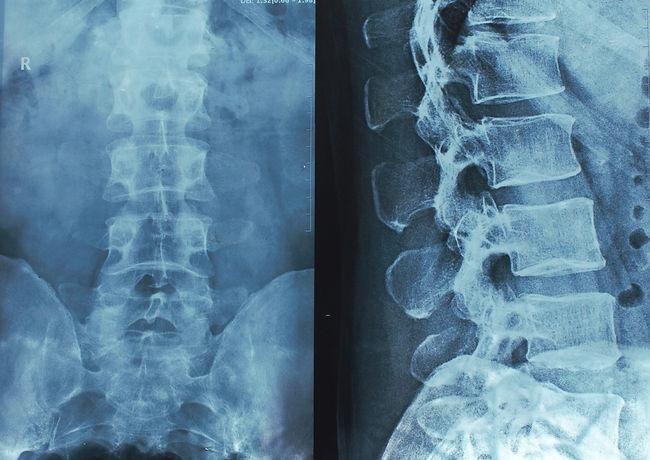
A herniated disc diagnosis can feel like a life sentence. Pain that makes it hard to sit, stand, sleep, or function. A stack of imaging reports. Doctors offering injections, medication, or eventually surgery. For patients across New York and New York, the search for a real answer leads many to our door — and to VAX-D spinal decompression.
This post cuts through the noise. Here is what actually works for herniated discs — and what doesn’t — from our clinical team at CityIR.
What Is a Herniated Disc, Really?
Your intervertebral discs are the shock-absorbing cushions between each vertebra. Each disc has a tough outer ring (annulus fibrosus) and a gel-like inner core (nucleus pulposus). When the outer ring cracks or tears — from injury, degeneration, or cumulative stress — the inner gel can push outward, pressing on nearby nerve roots or the spinal cord itself.
Herniated discs most commonly occur at L4-L5 and L5-S1 in the lumbar spine (causing low back pain and sciatica) and at C5-C6 or C6-C7 in the cervical spine (causing neck pain and arm symptoms). The condition is extremely common — but the treatments vary wildly in how well they work.
What Doesn’t Work (Or Only Works Short-Term)
- Pain medication and NSAIDs: Reduce pain signals but do nothing to the disc. The herniation remains. When the medication wears off, the pain returns. Long-term use carries serious risks including GI damage and dependency.
- Epidural steroid injections: Reduce inflammation around the nerve root, providing temporary relief (typically 4–12 weeks). But they do not retract the disc, and repeated injections can weaken tissue and increase infection risk.
- Bed rest: Counterproductive. Prolonged inactivity causes disc dehydration, muscle weakening, and worsened outcomes.
- Surgery (microdiscectomy/fusion): Indicated for severe neurological compromise or failure of conservative care. However, surgery has a significant re-operation rate, does not guarantee pain relief, and carries real risks. It is often pursued too soon before conservative options are exhausted.
What Actually Works: VAX-D Spinal Decompression
VAX-D is the only non-surgical treatment that directly addresses the herniation itself. By generating true negative intradiscal pressure — published studies confirm pressure reductions to -150 mmHg — VAX-D creates a suction effect that draws herniated disc material back toward the disc center, away from compressed nerve roots.
At the same time, the decompression cycles restore the disc’s natural nutrient delivery mechanism (imbibition), rehydrating and rebuilding degenerated disc tissue. This is not symptom management. It is actual disc rehabilitation.
Published clinical data shows over 71% of herniated disc patients achieve successful outcomes with VAX-D — defined as near-complete pain resolution — with results maintained at six-month follow-up.
The CityIR Approach to Herniated Discs
our clinical team does not use a one-size-fits-all protocol. Every herniated disc patient at our office receives a thorough evaluation including review of MRI findings, functional assessment, and symptom history. Your VAX-D program is customized to your specific disc level, severity, and goals.
Most patients complete a 15–25 session protocol over 5–8 weeks. We combine VAX-D with chiropractic adjustments, targeted therapeutic exercise, and postural rehabilitation to maximize disc healing and prevent recurrence. No surgery. No injections. No dependency on medication.
Ready to Actually Fix Your Herniated Disc?
If you have a herniated disc and you’re in New York, Melville, Syosset, or anywhere on Long Island — call CityIR at (631) 659-2980. our clinical team will review your case, discuss your options, and tell you honestly whether VAX-D can help you avoid surgery. Most patients wish they had called sooner.
Have questions about your symptoms?
Our team can help you understand what is going on and which approach fits. Reach out to schedule a visit at one of our New York locations.
Book an Appointment · View Locations