
Auto Accident & Personal Injury · Treatment
Vertebral Axial Decompression Therapy: Car Accident Relief
In this article
Key HighlightsWhat are the pros and cons of spinal decompression?IntroductionUnderstanding Spinal Injuries After a Car AccidentWhat Is Vertebral Axial Decompression (VAX-D) Therapy?How VAX-D Differs From Traditional Back Pain TreatmentsMedical Conditions Helped by VAX-D After Car AccidentsBenefits of VAX-D Therapy for Car Accident VictimsEligibility: Who Is a Good Candidate for VAX-D?ConclusionFrequently Asked QuestionsWhat are the pros and cons of spinal decompression?Get Vertebral Axial Decompression Therapy at Our Huntington OfficeHave questions about your symptoms?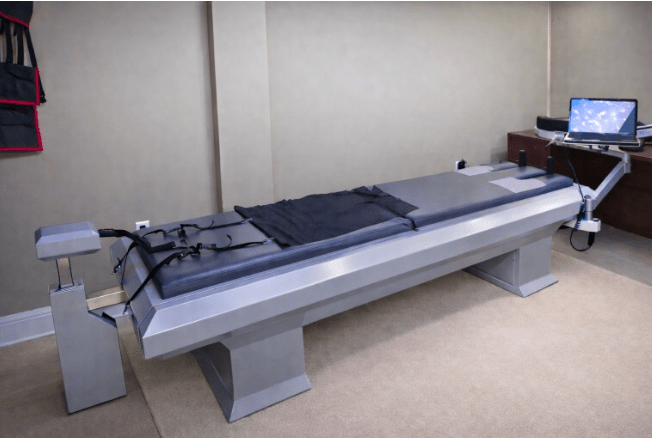
Key Highlights
What are the pros and cons of spinal decompression?
Vertebral axial decompression therapy offers numerous benefits, including pain relief, improved mobility, and reduced pressure on spinal discs. However, potential drawbacks include discomfort during treatment and not being suitable for everyone. It’s essential to consult with a healthcare professional to determine if vertebral axial decompression therapy is right for you.
- Vertebral Axial Decompression (VAX-D) is a kind of vertebral axial decompression therapy that does not need any surgery. It can help take pressure off your spinal discs. This therapy is an effective treatment for people who have back pain, herniated discs, and sciatica. These are problems that can happen after a car accident injury.
There are clinical studies that support the use of vertebral axial decompression therapy. Research has shown that axial decompression can provide significant relief for patients with back pain related to spinal discs.
- This therapy is an effective treatment for people who have back pain, herniated discs, and sciatica. These are problems that can happen after a car accident injury.
- VAX-D vertebral axial decompression therapy makes negative pressure inside the spinal discs. This can help your body heal, because it helps blood flow better and lets more nutrients get to the area.
- This treatment gives you a safe way to get spinal decompression without having surgery. Most people need little time to recover.
- You can get good pain relief from VAX-D. It may also help you feel better and improve your quality of life after an auto injury.
Introduction
A car accident can give you back pain that does not go away fast. This discomfort can make it hard for you to do everyday things or enjoy your daily activities. A lot of people want to feel better without having surgery. Vertebral Axial Decompression (VAX-D) is a type of vertebral axial decompression therapy. It is made to help fix the main problem that leads to spinal pain. This vertebral axial decompression therapy gives hope to people in NYC after a car accident. It can give you pain relief so you can do your daily activities with less discomfort and have a better quality of life.
Understanding Spinal Injuries After a Car Accident
A quick and forceful impact in a car accident can cause a lot of damage to your spine. This injury is a big cause of back pain that does not go away, and you might feel weakness and numbness for a long time after. A herniated disc, bulging disc, and sciatica are also problems that can come from this kind of damage.
Knowing how a car accident can hurt your spine helps you to get the right help. A lot of people feel that they do not move as well, and their health does not feel the same. That is why many people feel that a non-invasive treatment like VAX-D is a good choice. In this text, we will go into how these injuries take place, and what problems they can cause.
How Car Accidents Cause Spinal Compression and Disc Injury
During a car crash, your body can move very fast and without warning. This can make your spine feel a lot of force right away. When this happens, your spine can get squeezed. The little bones in your spine are called vertebrae. These bones might be pushed close together. This puts much pressure on the spinal discs that are between them.
The spinal discs are like soft pads for your back. These let you move your back and help stop shocks from hurting your spine. If there is too much pressure, the soft center in a disc can get hurt. When this happens, the disc may bulge out or even tear. A disc injury like this is common after a car wreck. The spinal discs in your back are not made to take the kind of hit that comes from a crash. This kind of damage can stay with you for a long time. It can cause back pain and other problems down the road.
Pressure in your spine or hurt discs can press on nerves near them. This can give you pain that moves down your body. It can also make you feel weak or numb. You need to take care of the pressure and any disc harm as soon as you can. This is the best way to get real and long-lasting relief from back pain after an accident.
Common Back Conditions Linked to Auto Injuries (Herniated Discs, Bulging Discs, Sciatica)
A car crash can put pressure on the spine and lead to discomfort in the back. This kind of injury can make it tough to move or do daily tasks well. A proper checkup is needed so you know what is causing the discomfort and where it comes from.
Your doctor may see one or more of these health problems after a car accident:
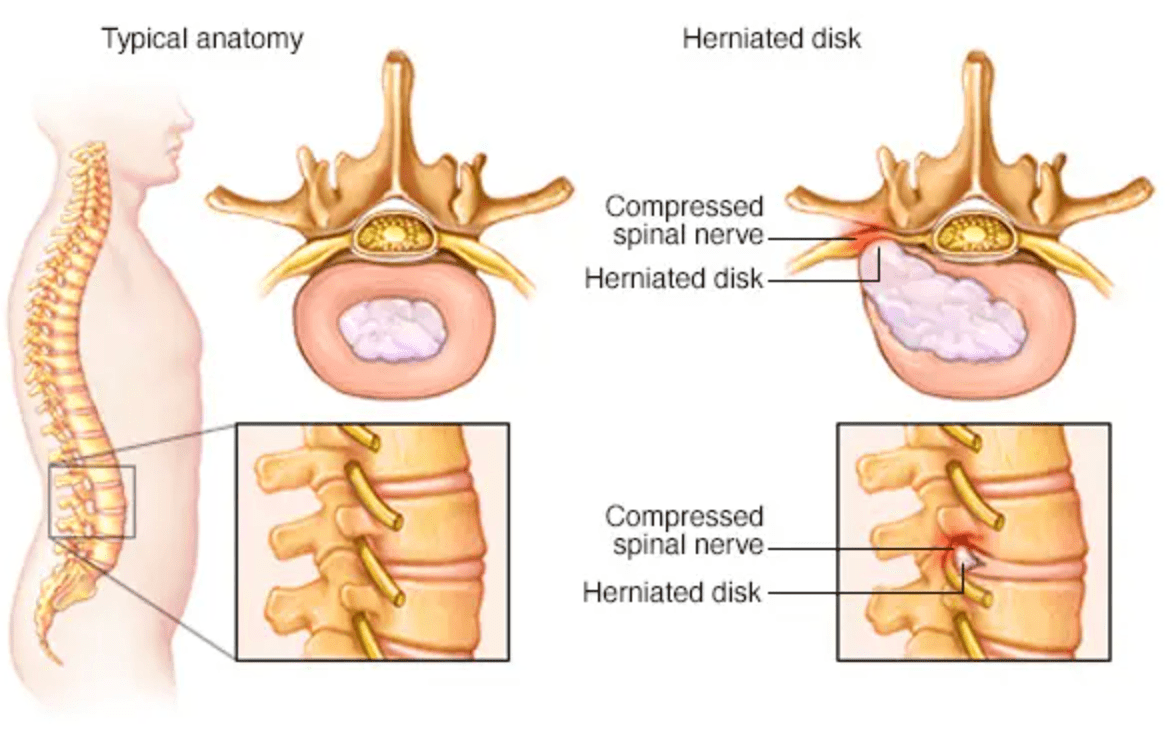
- Herniated Discs: A herniated disc happens when the soft part in the middle of a spinal disc pushes out through a tear in the outer layer. This may press on nerves close by and cause a lot of back pain.
- Bulging Discs: A bulging disc is when the disc sticks out because there is pressure, but the outer edge is not broken. It can still bring a strong pain in your lower back.
- Sciatica: Sciatica is pain that moves along the sciatic nerve. This nerve goes from your lower back, through the hips, and down each leg. A herniated disc or bone spur can press on the nerve, and that can cause discomfort.
These problems can give you back pain, lower back pain, or discomfort in your legs.
These problems can cause long-lasting discomfort for people who get hurt in car accidents. Getting the right treatment also helps them get better from back pain, lower back pain, or other discomfort in the back.
What Is Vertebral Axial Decompression (VAX-D) Therapy?
Vertebral Axial Decompression, or VAX-D, is a kind of spinal distraction therapy. You do not need surgery to do this. A machine is used to lower the pressure in the spine. This helps with back pain that is caused by herniated discs, degenerative disc disease, or facet syndrome. Many people get these types of back pain. A car accident can also give you discomfort in your back and vertebral axial decompression therapy can help.
This type of therapy helps by gently stretching your spine. It works to lower the intradiscal pressure and can ease pain caused when nerves are pressed. Vertebral axial decompression is not the same as regular traction. This is because it uses new technology to give more exact and steady decompression. In this way, your body gets a good chance to heal in a natural way.
Next, we will talk about the science behind axial decompression and what you can expect during a normal session with this type of therapy.
The Science Behind VAX-D Technology
VAX-D works by slowly pulling the spine, making the bones in your back move apart. This treatment modality helps make negative pressure inside the discs in your back. A special table is used for this process. The table puts some tension on the spine in a controlled way. The stretching is so exact and gentle that your body does not tense up, unlike with some other back treatments.
The negative intradiscal pressure works kind of like a small vacuum. It helps pull the herniated or bulging disc back to where it needs to be. This takes the pressure off the nerves that get pinched. If nerves get pinched, you feel back discomfort or leg discomfort. By making this pressure lower, VAX-D can help with the cause of your symptoms.
Negative pressure pushes more blood, oxygen, and nutrients into the disc space. This helps the tissue heal over time. It also slows down degenerative disc disease. So, you have a better chance of keeping your spine healthy for many years.
How a Typical VAX-D Session Works
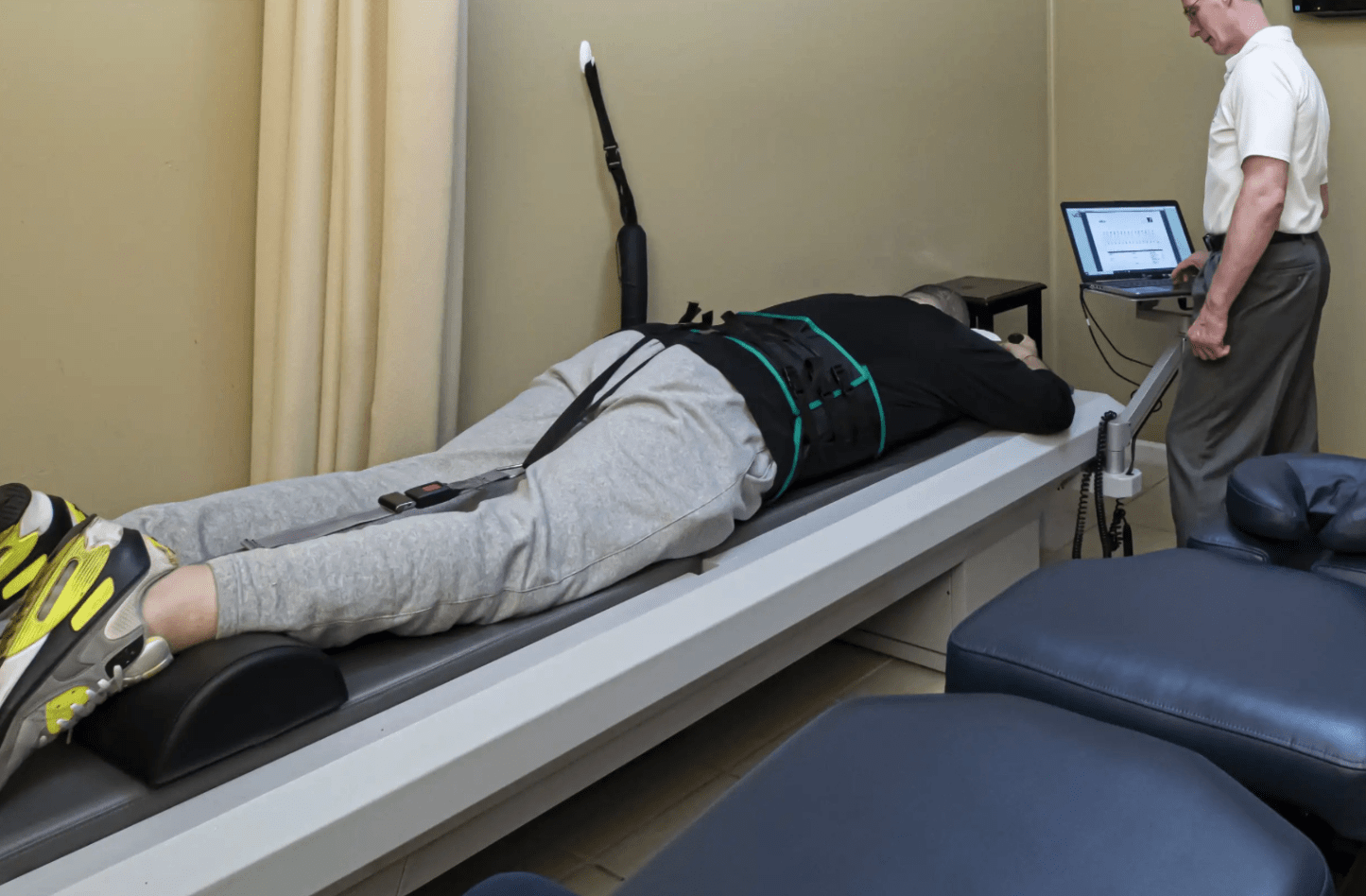
A VAX-D therapy session is simple. It is easy for people to do. When you come in for vertebral axial decompression therapy plan, you will keep your clothes on. The procedure does not hurt. Most people say the gentle stretch helps them a lot.
A normal session of this spinal distraction therapy is done in a few steps:
- The therapist will put a pelvic harness on you. This keeps you still on the VAX-D table.
- You will lie down on the table. You may be on your back or face down. It depends on what you need.
- The therapist will set up your treatment using a computer. They will use gentle and controlled force on your spine.
- The therapy has cycles of tension and rest. This helps make your spine longer and gives you decompression.
These sessions often last about 30 to 45 minutes. You will need more than one session. They will be spread over a few weeks to get the best results. Your doctor will make a treatment plan that is best for you.
How VAX-D Differs From Traditional Back Pain Treatments
VAX-D is not like other conservative treatments for back pain, such as basic physical therapy or taking medicine. These treatments can give you some relief for a short time, as they help ease your discomfort. But VAX-D does more. It aims to fix the main issue, which is pressure inside your spinal discs.
VAX-D is a way to help your spinal discs heal from the inside. It does not just hide pain. Instead, it makes the right setting so your spinal discs can get better. This kind of internal disc decompression can be a good and effective treatment. Many people say it helps, even when other ways like physical therapy do not help enough.
Now, let’s see how VAX-D lines up with the other treatments for back pain. There are both surgeries and other options that do not need surgery.
VAX-D vs. Surgery for Spinal Decompression
For the people who have bad back pain because of disc problems, many think that surgical spinal decompression is the only answer. But surgery has big risks. It also means a long time to heal and may not work for everyone. VAX-D gives a non-surgical choice. It can help you get the same, or even better, results as surgery. You do not have to deal with the problems that come with an operation. So, if you have back pain, you may want to know more about this way to get help.
VAX-D vertebral axial decompression therapy works to help with pain reduction. It does this by letting the spine stretch out in a natural way. Many people feel their quality of life gets better after this treatment. Surgery is different. Doctors remove some of the bone or disc from your back. This can make your back feel less steady and can also cause other problems. Studies say that VAX-D gives good results for most people. So, you might want to try this before you think about having an operation.
Here is a comparison of the two approaches:
Feature | VAX-D Therapy | Surgical Spinal Decompression |
|---|---|---|
Approach | Non-invasive, external decompression | Invasive, involves incisions and removal of bone or disc material |
Recovery | Non-surgical care; activity guidance is individualized | Weeks to months of recovery, with activity restrictions |
Risks | Very low; minimal side effects | Infection, nerve damage, anesthesia complications, blood clots |
Goal | Promotes natural healing and disc retraction | Mechanically creates space for nerves |
VAX-D Compared to Physical Therapy and Chiropractic Care
While physical therapy and Sports Chiropractic are good conservative treatments, they each work in a different way than spinal decompression, or VAX-D. Physical therapy helps your muscles get stronger and helps you move better. Chiropractic care can help by using adjustments to line up your spine. Both can be good for you, but they do not create the negative intradiscal pressure like spinal decompression does. This is what makes spinal decompression different from the others.
VAX-D works by targeting the disc itself. The usual lumbar traction you find in physical therapy or chiropractic care can cause your muscles to tighten. This tightening stops real decompression from happening. But VAX-D has a way to stop this muscle reaction. It allows the space between discs to open up, so healing can start.
- Focus: VAX-D is made to help the disc. Physical therapy and chiropractic care mostly help the muscles around the spot and how the joints fit with each other.
- Mechanism: VAX-D uses negative pressure to pull the disc inside. Manual moves or regular exercises in physical therapy or chiropractic care do not do this.
If you feel pain from a disc, VAX-D can be the main way to help you feel better. It can also work well with physical therapy and chiropractic care. This can make your treatment even more helpful.
Medical Conditions Helped by VAX-D After Car Accidents
After you have a car accident, you can get many spine problems. This often makes your back pain last for a long time. VAX-D therapy can help if your back pain comes from disc pressure or nerves being bothered. This treatment is good for people with lumbar disc herniation or with ongoing low back pain. If you have degenerative disc disease and it got worse after the accident, this treatment might work for you as well.
VAX-D vertebral axial decompression therapy helps with pain by working on what makes it hurt. It gives the spine more room and takes pressure off. This can help lower pain, especially pain from injuries you might get in a car crash. The therapy is good if you have back pain, low back pain, disc herniation, chronic low back pain, lumbar disc herniation, or degenerative disc disease. Here, you can learn more about how it helps with these problems.
Relief from Herniated and Bulging Discs
Herniated and bulging discs are some of the most common injuries people get in a car accident. These can also cause a lot of pain. Decompression therapy like VAX-D can be a good way to help with these injuries. This therapy is gentle and works right on the disc. It makes a negative pressure inside the disc, which is what gives relief.
This vacuum effect helps to pull the bulging or herniated disc stuff back inside the disc walls. That takes pressure off the spinal nerve roots near the disc. When this happens, it can stop the pain, numbness, or weakness that people feel. With no compression, VAX-D lets the nerve roots work the way they should.
After you have a few sessions of vertebral axial decompression therapy, you may start to feel better. This process also helps the disc heal. A better flow of nutrients goes into the disc and repairs damaged parts. Because of this, you can get a long-term fix for disc herniation, not just a quick solution.
Addressing Sciatica and Lower Back Pain
After a car accident, if you feel lower back pain or sciatica, it could mean there is something wrong with a disc or your nerve roots. The pain that goes down your leg in sciatica happens because there is pressure on the sciatic nerve roots in your lower back. VAX-D can help with this kind of back pain.
VAX-D therapy uses axial decompression to slowly pull apart the bones in your lower back. This helps to make more room for the nerve roots that come out of your spinal column. When this happens, the irritation and swelling of nerve roots can go down. As a result, problems like back pain, leg pain, and chronic discomfort feel much less strong. A lot of people say that this treatment helps them feel much better in their lower back and legs.
VAX-D works to take off the stress on your lower back. It helps to lower pain and swelling, so your body gets the chance to heal on its own. This can cut down on lower back pain, letting you get back to what you do every day. You do not have to feel that constant pain from your nerves being squeezed. This helps you feel better and move well again.
Benefits of VAX-D Therapy for Car Accident Victims
For people who have been in a car accident and still feel pain in their spine, VAX-D therapy can be a good choice. The main thing you get is pain relief. You do not have to worry about big risks or spending a long time healing, like you would with surgery. This way, your body can heal on its own. It can also help you feel good and get your quality of life back.
Many people say they get significant improvements with VAX-D. They can go back to daily activities, even those things that were too painful before. VAX-D works to fix the main problem that gives you pain. With this, you can work toward real and lasting recovery. A few big benefits of VAX-D are: it is not surgery, and it helps your body heal.
Non-Surgical Approach to Lasting Pain Relief
One of the good things about VAX-D is that it gives pain relief for chronic pain without surgery. If you have back pain because of a car crash and other conservative treatments like shots or pills did not help, VAX-D is another way for you to feel better before trying surgery. This new way does not use cuts, so you do not need to worry about infection, scarring, or problems from being put to sleep.
The pain relief you get from VAX-D is not just for a short time. This treatment helps your back pain by making negative pressure in the discs. It works on the main problem that gives you pain. The therapy helps your disc and tissues near it to heal for real. Because of this, you can get long-term or even lasting pain relief from chronic pain.
People can complete all their treatments for back pain and not have to take a long break from work or home. This is why VAX-D is a good choice for someone in NYC who wants to get rid of back pain and not miss out on their busy life.
Promoting Healing and Recovery Without Downtime
Unlike surgery, VAX-D therapy does not need you to take time to recover. You can go back to your work and do your daily activities right after each session. This is good for people who cannot take weeks or months off to heal after surgery.
VAX-D helps your body heal by itself. It works by improving blood flow to your spinal discs. This brings more oxygen and nutrients the discs need to help fix hurt tissue. You heal faster and your spine can be strong and healthy.
- Improved Circulation: The therapy helps blood flow better in your body. This can make injured spinal discs heal.
- Nutrient Delivery: Decompression lets more nutrients go to the disc space. This can help your body fix the tissue over time.
- Restored Mobility: When pain gets better and healing starts, people feel more mobile. This also makes their quality of life better.
VAX-D is made to help your body heal by itself. This treatment works well for people who want to get better after a car accident.
Eligibility: Who Is a Good Candidate for VAX-D?
VAX-D helps many people, but it is not for everyone. You will need a full checkup first to find out if you are a good fit or not. This screening checks if your back pain is from disc problems. They see if this type of pain can be helped by decompression. A car crash is one thing that can cause these issues.
Your doctor will talk with you about your health in the past, your symptoms, and look at your test pictures. This helps the doctor make the best treatment plan for you. At times, how your symptoms began and the different things that may cause them can make VAX-D seem like a good option. Now, let’s see how the screening works and when other types of treatment may be better for you.
Screening Criteria for VAX-D in Auto Injury Patients
To see if VAX-D is good for you, your doctor will check your health closely. People who have chronic back pain from some problems after a car accident may be right for this treatment. This can be people with herniated discs, bulging discs, degenerative disc disease, or sciatica.
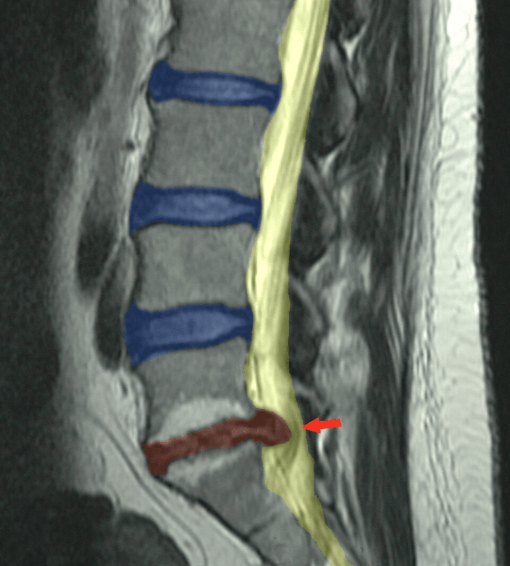
The doctor will often review your imaging tests like MRIs or X-rays. The goal is to find the source of your back pain. You will also have a physical exam. This is to see how your back moves, how your nerves work, and where you feel the pain. Make sure to tell your doctor all you know about your injury. Also, let your doctor know about any treatments you have tried before.
If you still feel back pain after at least six weeks of other treatments, you may be able to try spinal decompression. Spinal decompression works well for lasting disc problems like those that cause chronic back pain. It is good to be honest with your doctor about your symptoms and your medical history, so you can get the right care for your back pain.
When Alternative Treatments May Be Recommended
VAX-D is not the best option for every person who has back pain. Some health problems may need other types of care. This can be things like simple treatments or even surgical spinal decompression. Your safety and a good result should always come first.
Your doctor might ask you to do something different if you notice any of these problems.
- Severe Spinal Instability: If you have advanced osteoporosis, grade 3 or 4 spondylolisthesis, or broken bones in the spine, it may not be safe to use decompression.
- Previous Spinal Surgery with Hardware: If there is metal, screws, or fusions in your back from past surgery, you may not be able to use VAX-D.
- Other Medical Conditions: If you are pregnant, have spinal tumors, or have bad nerve damage, you may need a different kind of care.
In these cases, your doctor may talk with you about other choices. They may talk about physical therapy that fits your needs. Your doctor may also tell you about good ways to manage medication. If you need to, your doctor may ask you to see a surgeon and think about surgery.
Conclusion
To sum up, vertebral axial decompression (VAX-D) is a good, non-surgical way for people hurt in car accidents to feel better if they have back pain, herniated discs, bulging discs, or long-lasting discomfort in the back. VAX-D is not like some older ways that may not work as well. It gently takes pressure off your spine. This helps your back heal and improves how it works without using surgery. When you learn more about how back injuries can happen and what vertebral axial decompression can do for you, it is easier to choose what is best for your health. If you, or someone close to you, feel pain after a car accident, it may be a good idea to see if VAX-D therapy can help you feel better and get back to your life without back pain.
Frequently Asked Questions
Are there any side effects or risks with VAX-D therapy?
VAX-D is thought to be safe for most people. There is a low risk of side effects. A few people may feel mild muscle pain, like what you feel after trying a new workout. Serious problems are not common. You will have a full check-up before starting vertebral axial decompression therapy. This helps make sure it is right for you and helps lower any risk.
How long does a VAX-D therapy session last, and how many are needed?
A normal vertebral axial decompression session takes about 30 to 45 minutes. The number of times you need to go will depend on your discomfort and how you feel after each visit. In most cases, people have about 20 axial decompression sessions over several weeks. This plan can help you get good results and feel pain relief that lasts.
Does insurance cover vertebral axial decompression therapy in the United States?
Insurance coverage for vertebral axial decompression can change depending on the plan you have. Some plans do pay for axial decompression. But, Medicare does not cover VAX-D. It is best to talk with your insurance provider. This will help you find out what is covered and if you need to pay anything yourself.
What are the pros and cons of spinal decompression?
Spinal decompression therapy, like vertebral axial decompression, can help with pain relief and may make it easier to move. But it may take several sessions to see a change, and it does not work the same way for everyone. To know if vertebral axial decompression therapy, axial decompression, or other decompression therapy options are right for you, speak with a healthcare provider about your needs and condition.
Get Vertebral Axial Decompression Therapy at Our Huntington Office
If you were hurt in a car accident and are dealing with back discomfort, herniated discs, or sciatica, vertebral axial decompression therapy may be the answer you have been looking for. At City Integrative Rehabilitation, our Huntington office offers advanced vertebral axial decompression therapy using the VAX-D system to help car accident patients recover without surgery.
Our Huntington location is conveniently located at 400 W Jericho Tpke, Huntington, NY 11743. Contact our Huntington affiliate to confirm current appointment hours. Call us today at (631) 659-2980 to schedule your vertebral axial decompression therapy consultation, or book an appointment online. Do not let car accident injuries hold you back from living your life. Take the first step toward lasting relief with vertebral axial decompression therapy at City Integrative Rehabilitation.
Have questions about your symptoms?
Our team can help you understand what is going on and which approach fits. Reach out to schedule a visit at one of our New York locations.
Book an Appointment · View Locations