
Services
Scar Tissue Release Therapy
Assessment-led care for restrictions, sensitivity, and movement limitations associated with scar tissue and adhesions.
Individualized care · Manhattan and Great Neck
Scar tissue is the body’s natural response to injury, surgery, or inflammation — but when adhesions become excessive or poorly organized, they can restrict movement, compress nerves, generate chronic pain, and limit your ability to function normally. Whether your scar tissue developed after surgery, a traumatic injury, or from repetitive strain, the fibrotic adhesions it creates can affect muscles, fascia, tendons, joints, and even internal organs. At City Integrative Rehabilitation in Manhattan, we specialize in scar tissue release therapy using shockwave therapy (ESWT), manual techniques, and advanced rehabilitation methods that break down restrictive adhesions and restore healthy tissue mobility.
Understanding Scar Tissue and Adhesions
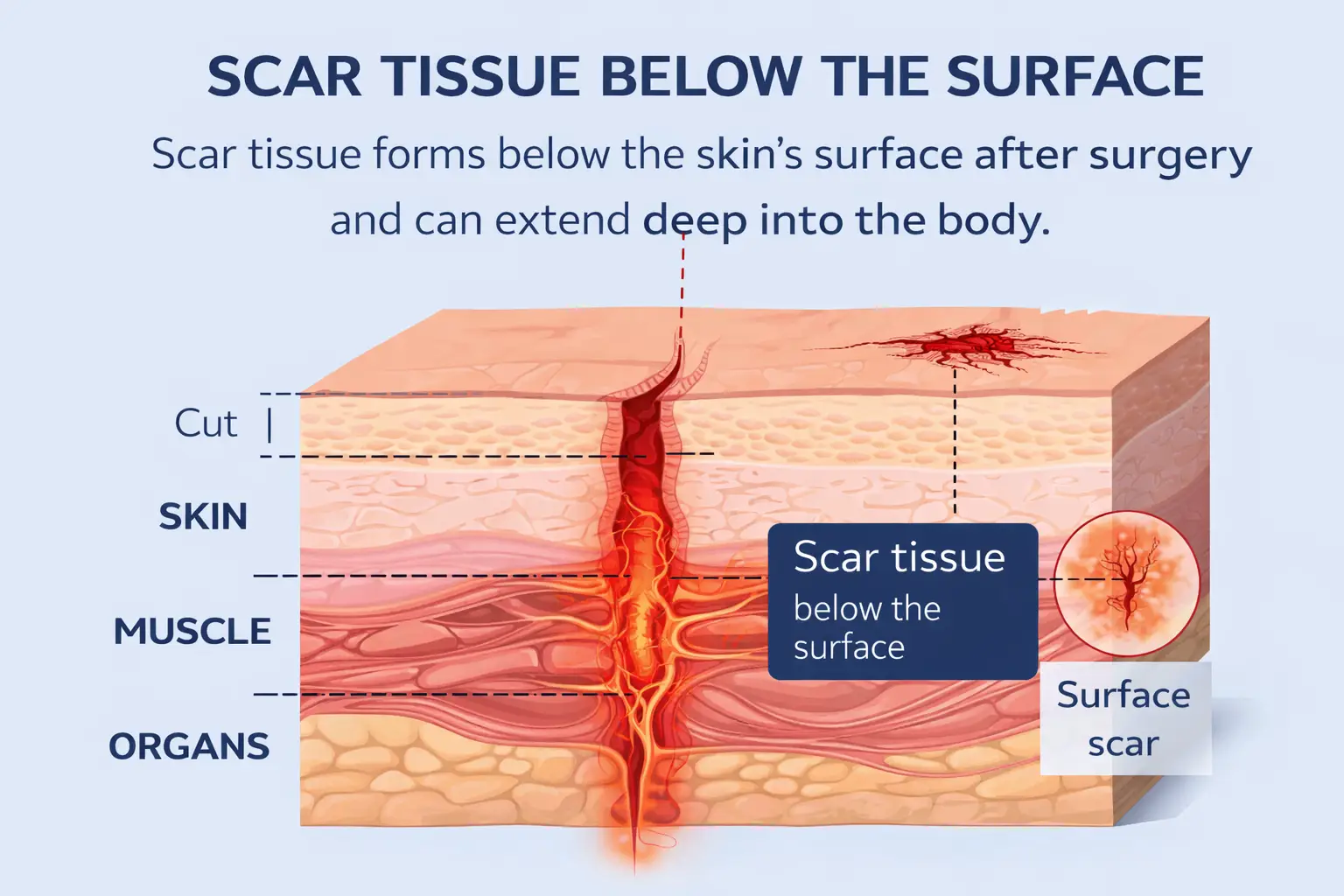
When tissue is damaged — through surgery, injury, or chronic inflammation — the body repairs the area by laying down collagen fibers in a disorganized pattern. Unlike the highly organized parallel fibers of healthy tissue, scar tissue collagen forms in a dense, cross-linked web that lacks the flexibility and elasticity of the tissue it replaces. This fibrotic repair tissue can bind adjacent structures together, creating adhesions that restrict the normal gliding between muscles, fascia, tendons, nerves, and organs. Scar tissue also contracts over time, progressively tightening and pulling surrounding structures out of their normal alignment. The severity of adhesion formation depends on the extent of the original injury, the body’s inflammatory response, and whether appropriate mobilization occurred during the healing process. Without intervention, scar tissue adhesions can become increasingly dense and restrictive, leading to chronic pain and movement limitation that may not appear until months or even years after the original injury.
How Scar Tissue Causes Pain and Dysfunction
Scar tissue creates problems through several interconnected mechanisms. Adhesions between tissue layers restrict the normal sliding and gliding that allows smooth, with fewer symptoms and limitations movement — muscles that should glide freely against adjacent fascia become bound together, limiting range of motion and generating pain with stretching or contraction. Scar tissue can entrap or compress peripheral nerves, causing numbness, tingling, burning pain, or hypersensitivity in the affected area and along the nerve’s distribution. The contractile nature of scar tissue progressively pulls surrounding structures into abnormal positions, creating biomechanical dysfunction that extends far beyond the original injury site. Dense adhesions also impair local blood flow and lymphatic drainage, reducing the delivery of oxygen and nutrients to surrounding tissues while allowing metabolic waste products to accumulate. These combined effects explain why scar tissue pain often worsens over time rather than improving, and why patients frequently develop secondary pain in areas distant from the original scar.
Common Symptoms of Scar Tissue Adhesions
Scar tissue adhesions produce symptoms that vary depending on the location, depth, and extent of the fibrotic tissue. Common signs include:
- Restricted range of motion at joints near the scar tissue
- Pain with stretching or movement that pulls on the adhesion
- Tightness or a pulling sensation in the area surrounding the scar
- Numbness, tingling, or burning pain from nerve entrapment within the scar
- Hypersensitivity or pain with light touch over the scar and surrounding tissues
- Chronic aching or deep pain that is difficult to localize precisely
- Visible thickening, puckering, or tethering of the skin at the scar site
- Compensatory pain in other body regions from altered movement patterns
- Weakness in muscles adjacent to or affected by the adhesion
- Stiffness that worsens with inactivity and improves somewhat with gentle movement
Common Causes of Scar Tissue Formation
Scar tissue adhesions can develop from a wide range of causes, and understanding the origin of your adhesions helps guide the most effective treatment approach.
Surgical scarring is one of the most common sources of problematic adhesions. Any surgical procedure — from orthopedic surgery to abdominal procedures like C-sections, appendectomies, and hernia repairs — creates scar tissue at every tissue layer that was cut or manipulated. Post-surgical adhesions can restrict joint mobility, bind down muscles and tendons, compress nerves at the surgical site, and even affect the function of internal organs. The abdomen and pelvis are particularly prone to extensive adhesion formation after surgery, contributing to chronic pelvic pain and abdominal discomfort.
Traumatic injury scarring from fractures, muscle tears, ligament sprains, and deep lacerations produces scar tissue as part of the natural healing process. While necessary for tissue repair, the resulting adhesions can limit the restored tissue’s functional capacity — a healed muscle tear may leave behind dense scar tissue that restricts the muscle’s ability to stretch and contract through its full range, creating a persistent area of weakness and vulnerability to re-injury.
Repetitive strain and chronic inflammation create a subtler but equally problematic form of scar tissue. Chronic tendinopathy, repetitive motion injuries, and ongoing inflammatory conditions stimulate continuous low-grade fibrosis that gradually thickens and restricts the affected tissues. This type of adhesion formation is common in conditions like frozen shoulder, plantar fasciitis, tennis elbow, and chronic pain syndromes where persistent inflammation drives progressive tissue fibrosis.
Immobilization and post-injury guarding contribute significantly to adhesion severity. When an injured area is immobilized — whether by a cast, a brace, or simply by pain-related guarding and avoidance — the healing scar tissue forms without the mechanical signals that promote organized fiber alignment. Early, appropriate mobilization during the healing process helps orient collagen fibers along lines of stress, producing stronger and more flexible scar tissue. Without this input, adhesions become denser, less organized, and more restrictive.
Risk Factors for Problematic Scar Tissue
Several factors influence whether scar tissue becomes clinically problematic. The extent and depth of the original injury directly affects the volume of scar tissue produced — larger surgical incisions, more extensive tissue trauma, and deeper injuries generate more adhesions. Inadequate rehabilitation after injury or surgery is one of the most significant modifiable risk factors — early mobilization and progressive loading are essential for guiding scar tissue remodeling. Genetic factors influence individual healing responses, with some people naturally producing more dense and restrictive scar tissue. Systemic inflammation from autoimmune conditions, diabetes, or metabolic dysfunction can amplify the fibrotic response. Smoking impairs tissue healing and increases adhesion density. Multiple surgeries at the same site create layered adhesions that become progressively more restrictive. Age affects both the speed of healing and the quality of scar tissue remodeling, with older tissues generally producing less adaptable adhesions.
How Scar Tissue Adhesions Are Diagnosed
Diagnosing scar tissue adhesions requires careful clinical assessment, as adhesions are often not visible on standard imaging. At City Integrative Rehabilitation, our evaluation begins with a thorough history of your surgeries, injuries, and the timeline of symptom development. Physical examination assesses tissue mobility through palpation — feeling for areas of restricted gliding between tissue layers, identifying bands of dense fibrosis, and mapping the relationship between scar tissue locations and your symptom pattern. Range of motion testing identifies specific movement restrictions that correlate with adhesion location. Neural tension testing determines whether scar tissue is entrapping or irritating peripheral nerves. Diagnostic ultrasound can sometimes visualize adhesions and assess tissue mobility in real time. The clinical examination is the most important diagnostic tool, as the correlation between physical findings, symptom patterns, and the history of tissue injury provides the clearest picture of how scar tissue is contributing to your condition.
Scar Tissue Release Treatment Options at City Integrative Rehabilitation
Our multidisciplinary team uses a combination of advanced technologies and hands-on techniques to break down adhesions, restore tissue mobility, and retrain the movement patterns disrupted by scar tissue restriction.
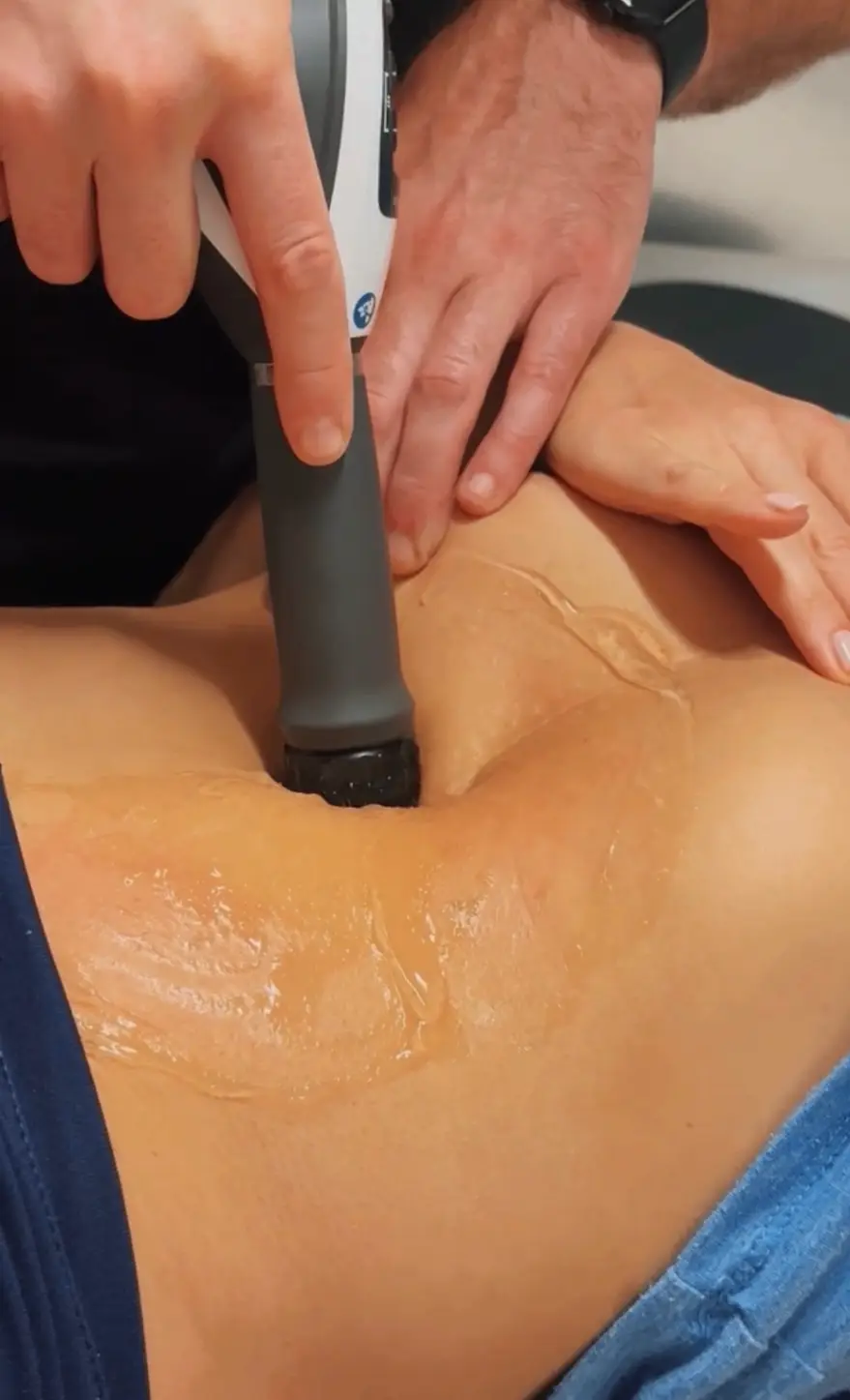
Shockwave therapy (ESWT) is our primary tool for scar tissue release and represents a significant advancement over manual techniques alone. Shockwave therapy delivers focused acoustic energy waves that mechanically disrupt the dense collagen cross-links within scar tissue adhesions, breaking down fibrotic tissue while stimulating the body’s natural remodeling response. The acoustic waves increase local blood flow, promote the release of growth factors, and trigger a controlled inflammatory response that replaces disorganized scar tissue with healthier, more functional tissue. Shockwave therapy can reach deep adhesions that are inaccessible to manual techniques, making it particularly effective for post-surgical adhesions, deep fascial restrictions, and chronic tendon fibrosis.
Physical therapy provides the comprehensive rehabilitation framework essential for lasting scar tissue release. the rehabilitation team use instrument-assisted soft tissue mobilization (IASTM), myofascial release, and specific manual techniques to break down superficial and intermediate adhesions while restoring normal tissue gliding. Progressive stretching and loading programs retrain the released tissues to accept normal mechanical forces. Neural mobilization techniques free nerves that have become entrapped within scar tissue, reducing pain and restoring sensation. Scar desensitization protocols address the hypersensitivity that often develops in and around scar tissue, gradually normalizing the nervous system’s response to touch and pressure in the affected area.
Sports Chiropractic addresses the joint restrictions and compensatory dysfunction that develop as the body adapts to scar tissue limitation. When adhesions restrict movement in one area, adjacent joints and spinal segments compensate by either becoming hypermobile or developing their own restrictions. Chiropractic manipulation restores normal joint mechanics throughout the affected kinetic chain, ensuring that improved tissue mobility from scar tissue release translates into better overall movement function.
Dynamic Neuromuscular Stabilization (DNS) retrains the motor patterns that become disrupted by long-standing scar tissue restriction. When adhesions limit movement for extended periods, the nervous system adapts by developing compensatory movement strategies that persist even after the adhesions are released. DNS exercises restore the fundamental stabilization patterns — diaphragm function, core coordination, and segmental control — that provide the foundation for all functional movement, ensuring that scar tissue release leads to lasting improvement in movement quality.
Anatomy in Motion (AiM) addresses the whole-body movement compensations created by scar tissue restriction. A surgical scar on the abdomen can alter breathing mechanics, change pelvic alignment, modify gait patterns, and create compensatory strain in the spine and extremities. AiM assessment identifies these interconnected compensations and uses targeted movement sequences to restore efficient three-dimensional motion throughout the entire body — ensuring that local scar tissue release produces global movement improvement.
Post-Surgical Scar Tissue: A Special Focus
Post-surgical adhesions deserve particular attention because they can significantly impact recovery outcomes and quality of life long after the surgical site has healed. Orthopedic surgeries — including joint replacements, rotator cuff repairs, ACL reconstructions, and spinal procedures — frequently produce adhesions that limit the range of motion the surgery was intended to restore. Abdominal and pelvic surgeries create adhesions that can affect organ function, contribute to chronic pain, and alter core mechanics. C-section scars are particularly impactful, as they traverse multiple tissue layers of the abdominal wall and can restrict core muscle function, alter breathing patterns, and contribute to lower back pain and pelvic floor dysfunction for years after delivery. At City Integrative Rehabilitation, our pre- and post-surgical rehabilitation programs include proactive scar tissue management to minimize adhesion formation and optimize surgical outcomes.
Our Clinic’s Approach: Why Choose City Integrative Rehabilitation
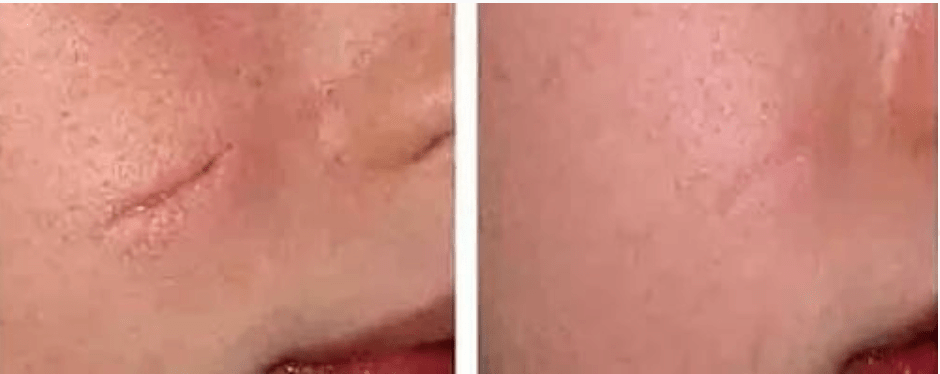
What sets City Integrative Rehabilitation apart for scar tissue release is our combination of advanced technology and comprehensive rehabilitation expertise. Many patients have tried massage, stretching, or even additional surgery to address adhesion-related pain — only to find temporary relief because the treatment did not address all layers of the problem. Our Manhattan clinic combines shockwave therapy’s ability to reach deep adhesions with manual techniques for superficial restrictions, chiropractic care for joint compensation, and movement retraining through DNS and AiM to ensure that released tissue stays mobile. This integrated approach produces more thorough adhesion breakdown and more lasting functional improvement than any single treatment alone. Located conveniently near Central Park, we help New Yorkers overcome the movement limitations and chronic pain that scar tissue creates.
Insurance and Scheduling Your First Visit
Insurance participation and benefits vary by plan, provider, location, and service. Contact CityIR so the office can verify current benefits, referrals, deductibles, copays, and authorization requirements before scheduling.
At-Home Scar Tissue Management
What you do between clinical visits significantly impacts the effectiveness of scar tissue release therapy. Gentle scar massage — performed in multiple directions across the scar and surrounding tissue — helps maintain the mobility gains achieved during treatment sessions. Your therapist will teach you specific self-mobilization techniques appropriate for your scar’s location and depth. Progressive stretching exercises prescribed by your rehabilitation team should be performed daily to maintain tissue length and prevent adhesions from re-forming. Silicone-based scar sheets or gels can help manage superficial scar tissue when used consistently. Staying well-hydrated and maintaining adequate protein intake supports tissue remodeling. Gentle movement and exercise throughout the day prevents the stiffness that allows adhesions to tighten between sessions.
Conditions We Treat
Our team specializes in scar tissue release and a wide range of related conditions, including:
- Post-surgical adhesions (orthopedic, abdominal, pelvic)
- C-section scar tissue and abdominal adhesions
- Frozen shoulder (adhesive capsulitis)
- Post-fracture and post-injury fibrosis
- Chronic pain from adhesion formation
- Pelvic pain from surgical or inflammatory adhesions
- Nerve entrapment from scar tissue
- Plantar fasciitis and tendon fibrosis
- Shoulder pain and rotator cuff adhesions
- Knee pain from post-surgical scarring
- Lower back pain from spinal surgery adhesions
- Pre- and post-surgical rehabilitation
Frequently Asked Questions About Scar Tissue Release
Can old scar tissue be treated?
Yes — scar tissue adhesions can be effectively treated regardless of how long they have been present. While newer adhesions are generally easier to break down because they are less dense and cross-linked, even decades-old scar tissue responds to targeted treatment. Shockwave therapy is particularly effective for chronic adhesions because the acoustic energy mechanically disrupts the dense collagen cross-links that manual techniques cannot fully reach. Many patients who have lived with scar tissue restriction for years experience meaningful improvement in mobility and significant pain reduction through comprehensive treatment.
How many treatments are needed for scar tissue release?
The number of treatments depends on the extent, depth, and density of the adhesions, as well as how long they have been present. Most patients notice meaningful improvement within four to six treatment sessions, with more extensive or long-standing adhesions requiring eight to twelve sessions for maximum benefit. Shockwave therapy sessions are typically scheduled one to two weeks apart to allow the body’s remodeling response to progress between treatments. Your rehabilitation team will provide a clear treatment plan with expected milestones after your initial evaluation.
Is scar tissue release therapy painful?
Scar tissue release therapy involves working directly with restricted, often sensitized tissue, so some discomfort during treatment is expected. Shockwave therapy produces a deep percussion sensation that most patients describe as intense but tolerable, and treatment intensity is always adjusted to your comfort level. Manual scar release techniques can cause a stretching or pulling sensation as adhesions are mobilized. Most patients experience significant symptom relief after the initial treatment sessions as adhesions begin to break down and tissue mobility improves. Any post-treatment soreness typically resolves within 24 to 48 hours.
Can scar tissue come back after treatment?
Scar tissue adhesions can re-form if the factors that created them are not addressed and if appropriate maintenance is not performed. This is why our treatment approach includes not just breaking down existing adhesions but also addressing the underlying movement dysfunction, teaching self-mobilization techniques, and prescribing a progressive exercise program that maintains tissue health. Consistent performance of your home exercise program is the most important factor in preventing adhesion recurrence. For patients with conditions that predispose them to adhesion formation, periodic maintenance treatment sessions can help keep tissue mobile and prevent re-accumulation of restrictive scar tissue.
Don’t let scar tissue limit your recovery and quality of life. City Integrative Rehabilitation offers expert scar tissue release therapy in Manhattan using shockwave therapy and advanced rehabilitation techniques. Schedule your consultation today and start breaking free from adhesion-related pain.
View All Conditions We Treat | Learn About Shockwave Therapy
Ready to start your recovery?
Get expert treatment in NYC
Book an Appointment Great Neck: (516) 418-3798 Manhattan: (646) 256-9513 Huntington: (631) 659-2980Nesconset: (631) 584-8783