
Hip Pain Treatment
Understanding Hip Pain
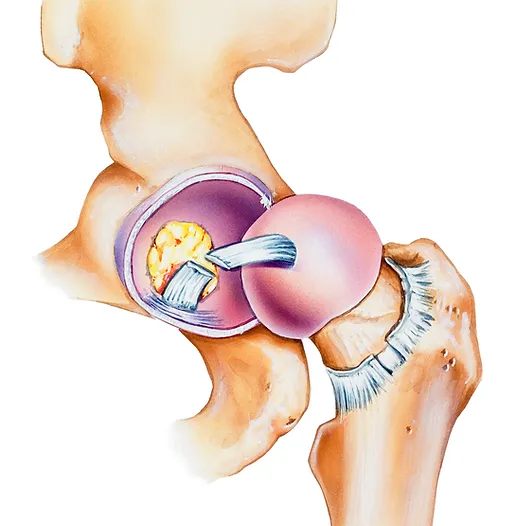
Hip pain is one of the most common and disabling musculoskeletal conditions affecting adults in New York City. The hip joint — a large ball-and-socket joint where the femoral head (thigh bone) articulates with the acetabulum of the pelvic bone — bears tremendous force with every step, making it vulnerable to a wide range of injuries and degenerative conditions. Whether your hip joint pain stems from arthritis, a labral tear, bursitis, or a muscle strain, untreated hip problems can progressively limit your ability to walk, exercise, work, and perform everyday activities. Chronic hip pain doesn’t just affect the joint itself — it alters how your entire body moves, often creating compensatory issues in the lower back, knees, and pelvis that compound over time.
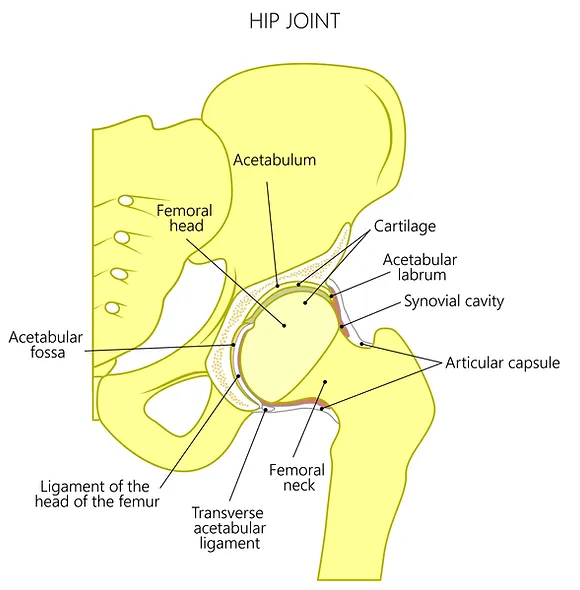
At City Integrative Rehabilitation in Manhattan, our expert team of hip pain doctors and rehabilitation specialists takes a whole-body approach to diagnosing and treating hip conditions. We go beyond symptom management to identify the true source of your pain and develop a personalized hip pain management plan that restores mobility, reduces inflammation, and improves your overall quality of life.
Acute vs. Chronic Hip Pain
Understanding whether your hip pain is acute or chronic is essential for selecting the right treatment approach. Acute hip pain develops suddenly — often from a fall, sports injury, or muscle strain — and typically improves within a few weeks with appropriate medical care. Chronic hip pain persists for three months or longer and usually involves deeper structural issues such as osteoarthritis, labral degeneration, or ongoing inflammation of the bursa. The severity of the condition often determines whether conservative treatment alone is sufficient or whether more advanced interventions are needed. When acute hip injuries are not properly rehabilitated, they frequently progress to chronic conditions that become increasingly difficult to treat. Our team evaluates the timeline, mechanism, and pattern of your symptoms to determine the most effective treatment strategy.
Common Symptoms of Hip Pain
Hip pain presents with a variety of symptoms depending on the underlying cause. Recognizing your specific pattern helps our pain doctors provide a more accurate diagnosis and targeted treatment plan. Common symptoms include:
- Deep joint pain — aching or sharp pain in the groin, front of the hip, or deep within the hip area
- Lateral hip pain — pain along the outside of the hip, often from bursitis or IT band dysfunction
- Stiffness — reduced range of motion, especially with rotation or after sitting for extended periods
- Radiating pain — discomfort that travels into the buttock, thigh, or knee
- Clicking or catching — mechanical sensations within the joint, often associated with labral tears
- Limping or gait changes — altered walking patterns to avoid loading the painful hip
- Night pain — discomfort that disrupts sleep, particularly when lying on the affected side
- Weakness — difficulty with stairs, standing from seated positions, or single-leg balance
Common Causes of Hip Pain
Hip pain has many potential causes, ranging from acute hip injury to progressive degenerative conditions. The most common causes we see at our Manhattan clinic include:
Osteoarthritis is the leading cause of chronic hip pain, particularly in adults over 50. As the protective cartilage lining the hip joint wears down over time, bone-on-bone contact creates pain, stiffness, and progressive loss of mobility. Rheumatoid arthritis — an autoimmune condition that attacks joint linings — can also affect the hip and cause significant inflammation and joint damage.
Hip labral tears involve damage to the ring of cartilage (labrum) that lines the rim of the hip socket. Labral tears are especially common in athletes and active individuals and can cause deep groin pain, clicking, and a sensation of the hip giving way. Femoroacetabular impingement (FAI) — where abnormal bone shapes create friction during movement — frequently accompanies labral pathology.
Hip bursitis — inflammation of the bursa, the fluid-filled sacs that cushion tendons and muscles around the hip — causes lateral hip pain that can be severe enough to disrupt sleep and daily activities. Trochanteric bursitis is the most common form we treat.
Additional causes include sports injuries, hip flexor strains, IT band syndrome, sacroiliac joint dysfunction, referred pain from the lumbar spine, avascular necrosis (loss of blood supply to the femoral head), hip fracture (particularly in older adults), piriformis syndrome, and snapping hip syndrome. Pelvic pain conditions can also mimic or contribute to hip symptoms.
Risk Factors for Hip Pain
Several factors increase the likelihood of developing hip problems. Age-related cartilage degeneration begins as early as the 40s and accelerates with time. Excess body weight adds significant mechanical stress to the hip joint with every step. High-impact sports — particularly running, soccer, and martial arts — accelerate wear on the hip structures. Previous hip injury, even minor ones, can predispose you to future problems if the underlying dysfunction was never fully addressed. Occupations requiring prolonged standing or repetitive hip movements increase risk, as do genetic factors that influence joint shape and cartilage quality. Sedentary lifestyles weaken the muscles that support and stabilize the hip, leaving the joint vulnerable. Recognizing these risk factors early allows our team to develop preventive strategies before damage progresses.
How Hip Pain Is Diagnosed
Accurate diagnosis is the foundation of effective hip pain relief. Our doctors begin with a detailed patient history followed by a comprehensive physical examination that includes hip range of motion testing, provocative maneuvers for labral and impingement pathology, gait analysis, and evaluation of the lumbar spine, pelvis, and knee for contributing dysfunction. We assess muscle strength, flexibility, and movement patterns throughout the kinetic chain to identify factors that may be loading the hip abnormally. When necessary, we may recommend diagnostic imaging such as X-rays, MRI, or ultrasound to visualize cartilage damage, labral tears, bursitis, or other structural abnormalities. For complex cases, we may also utilize advanced motion analysis to understand how your body compensates during walking and functional activities.
Hip Pain Treatment Options at City Integrative Rehabilitation
Our integrative treatment approach draws from multiple disciplines to provide the most comprehensive hip pain care available in New York City. Every treatment plan is customized to the individual patient based on the specific diagnosis, the severity of the condition, and your functional goals.
Chiropractic Care: Our chiropractors use targeted joint mobilization and manipulation techniques to restore proper hip and pelvic alignment. Sacroiliac joint dysfunction, lumbar restrictions, and pelvic asymmetries often contribute to hip pain, and addressing these areas can provide significant pain relief.
Physical Therapy: Physical therapy is fundamental to hip pain recovery. Our therapists design progressive strengthening programs targeting the hip stabilizers — gluteus medius, deep hip rotators, and core muscles — along with flexibility work and functional retraining to restore normal movement patterns.
Shockwave Therapy: Extracorporeal shockwave therapy delivers targeted acoustic energy to damaged tissues, accelerating healing and reducing chronic pain. This advanced modality is particularly effective for hip bursitis, tendinopathy, and chronic soft tissue conditions that resist conventional treatment.
Dynamic Neuromuscular Stabilization (DNS): DNS uses developmental kinesiology principles to retrain how the brain controls hip stabilization. By addressing faulty motor patterns at the neurological level, DNS creates deeper, more durable improvements than traditional strengthening alone.
Anatomy in Motion (AiM): Anatomy in Motion examines how the entire body moves through the gait cycle, identifying global movement dysfunctions that may be overloading the hip. Restrictions in the foot, ankle, or opposite hip frequently drive compensatory stress patterns that manifest as hip pain.
When to Consider Advanced Interventions
For patients with severe pain that has not responded adequately to conservative care, advanced interventional pain management procedures may be appropriate. These minimally invasive procedures target specific pain generators with precision. Corticosteroid injections can reduce inflammation within the hip joint or bursa. Radiofrequency ablation uses targeted heat energy to disrupt pain signals from damaged nerves around the hip, providing relief that can last six months to a year. Platelet-rich plasma (PRP) injections harness the body’s own healing factors to promote tissue repair. These invasive procedures are typically considered after a thorough trial of conservative therapy.
For cases of advanced osteoarthritis or significant structural damage where conservative and interventional approaches have been exhausted, hip replacement surgery may be the definitive treatment. Our team works closely with orthopedic surgeons and provides comprehensive pre- and post-surgical rehabilitation to optimize outcomes for patients who undergo hip replacement.
Hip Preservation: Protecting Your Joint Long-Term
Hip preservation focuses on protecting and maintaining the natural hip joint for as long as possible — delaying or avoiding the need for hip replacement surgery. This approach is especially relevant for younger, active patients with early-stage arthritis, labral tears, or impingement. Our hip preservation strategies include targeted strengthening of the muscles that support and stabilize the joint, movement retraining to reduce abnormal loading patterns, activity modification guidance, and ongoing monitoring to track joint health over time. By intervening early and addressing biomechanical issues before they cause irreversible damage, we help patients maintain active lifestyles while protecting their hip joints.
Our Clinic’s Approach: Why Choose City Integrative Rehabilitation
What sets City Integrative Rehabilitation apart is our whole-body approach to hip pain treatment. Rather than simply addressing the site of pain, we examine how your entire body moves and functions to find the root cause. Our NYC clinic brings together chiropractors, physical therapists, and rehabilitation specialists who collaborate on every case — sharing findings, adjusting strategies, and ensuring that every aspect of your condition is addressed. Located conveniently in Manhattan near Central Park, we make it easy for busy New Yorkers to get the expert medical care they need. We also serve patients from Long Island and the greater NYC metropolitan area.
Our team holds advanced certifications in orthopedic rehabilitation, sports medicine, chiropractic neurology, DNS, and Anatomy in Motion. This depth of expertise means you receive a level of care that single-provider clinics simply cannot match. From your first visit, you will receive a thorough evaluation and a clearly explained treatment plan, with your progress monitored at every step.
Insurance and Scheduling Your First Visit
We understand that navigating insurance coverage for hip pain treatment can be confusing. City Integrative Rehabilitation accepts most major insurance plans and our administrative team will verify your benefits before your first appointment so there are no surprises. We also offer flexible scheduling options, including early morning and evening appointments, to accommodate the demanding schedules of NYC professionals. New patients can request an appointment by calling our office or using our online booking system. Getting started is simple — the sooner you begin treatment, the better your chances for a full recovery.
At-Home Care and Lifestyle Modifications for Hip Pain
What you do between clinical visits plays a critical role in your recovery. Simple lifestyle modifications can dramatically reduce hip pain and prevent recurrence. Low-impact exercises such as swimming, cycling, and walking maintain joint mobility and muscle strength without excessive loading. Gentle hip stretches targeting the hip flexors, piriformis, and IT band help maintain flexibility. Maintaining a healthy body weight reduces the mechanical stress on your hip joint with every step. Using supportive footwear with proper cushioning protects the hip from ground reaction forces. Avoiding prolonged sitting — especially in low chairs that place the hip in deep flexion — reduces strain on the joint capsule and surrounding muscles. Our team provides each patient with individualized home exercise programs and activity modification guidance tailored to their specific condition and goals.
Sacroiliitis and Overlapping Hip-Spine Pain
One of the most frequently misdiagnosed patterns we see at our Manhattan clinic is the overlap between hip pain and sacroiliac (SI) joint dysfunction. The SI joint — where the sacrum connects to the pelvic bone — sits in close proximity to the hip and can produce pain patterns that mimic true hip pathology. Patients often present with buttock pain, groin discomfort, or lateral hip symptoms that appear to originate from the hip joint but are actually driven by SI joint inflammation or instability. Similarly, lumbar spine conditions such as disc herniations and spinal stenosis can refer pain into the hip area. By evaluating the hip, pelvis, and lumbar spine together rather than in isolation, our team identifies these overlapping patterns and ensures that treatment targets the actual source of symptoms.
Conditions We Treat
Our team specializes in treating a wide range of hip-related conditions, including:
- Hip osteoarthritis
- Rheumatoid arthritis of the hip
- Hip labral tears
- Femoroacetabular impingement (FAI)
- Trochanteric bursitis
- Hip flexor strains and tendinopathy
- IT band syndrome
- Piriformis syndrome
- Snapping hip syndrome
- Sacroiliac joint dysfunction
- Avascular necrosis of the femoral head
- Hip fracture rehabilitation
- Pre- and post-hip replacement rehabilitation
- Sports-related hip injuries
- Pelvic pain with hip involvement
Frequently Asked Questions About Hip Pain
What is the most common cause of hip pain?
Osteoarthritis is the most common cause of chronic hip pain, particularly in adults over 50. In younger patients, labral tears, hip impingement, and bursitis are more frequent. Our pain doctors evaluate each patient individually to identify the specific cause and develop a targeted treatment plan.
Can hip pain come from my lower back?
Yes. Lumbar disc herniations, spinal stenosis, and sacroiliac joint dysfunction can all refer pain into the hip area. This is why a comprehensive evaluation that examines the hip, pelvis, and lower back together is essential for accurate diagnosis. Treating the wrong structure leads to frustration and prolonged pain.
How long does hip pain treatment take?
Treatment duration depends on the cause and severity. Acute muscle strains and bursitis may resolve in four to six weeks, while chronic conditions like osteoarthritis or labral tears require longer-term management. Most patients experience meaningful pain relief within the first few weeks of treatment.
Do I need hip replacement surgery?
Not necessarily. Many hip conditions respond well to conservative treatment including physical therapy, chiropractic care, and advanced modalities like shockwave therapy. Hip replacement surgery is typically reserved for cases of advanced arthritis or significant structural damage that have not responded to comprehensive conservative care. Our team focuses on hip preservation strategies to delay or avoid surgery whenever possible.
What is avascular necrosis of the hip?
Avascular necrosis occurs when blood supply to the femoral head is disrupted, causing bone tissue to deteriorate. Risk factors include prolonged corticosteroid use, excessive alcohol consumption, and certain medical conditions. Early detection and intervention are critical — our team can help identify this condition and coordinate appropriate medical care, including referral to orthopedic specialists when hip surgery may be necessary.
Don’t let hip pain slow you down. City Integrative Rehabilitation offers expert hip pain treatment in Manhattan using advanced, non-surgical techniques. Schedule your consultation today and take the first step toward recovery.
View All Conditions We Treat | Learn About Shockwave Therapy
At CityIR, we use Storz Medical shockwave technology — the most researched and clinically validated shockwave system in the world, backed by over 400 peer-reviewed studies. This means better outcomes for our patients.
Ready to start your recovery?
Get expert treatment in NYC
Book an Appointment Great Neck: (516) 418-3798 Manhattan: (646) 256-9513 Huntington: (631) 659-2980Nesconset: (631) 584-8783