
Sharp or aching pain in the front, side, or back of the shoulder
Conditions we treat
Shoulder Pain Treatment
Shoulder assessment considers the joint, surrounding tissues, shoulder blade mechanics, neck, and activity demands.
Book an evaluation ↗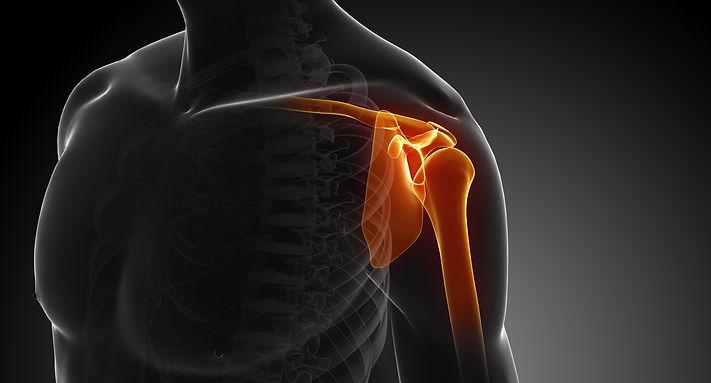
Conditions we treat
Understanding Shoulder Pain
Shoulder pain can reflect tendon, bursal, joint, neck-related, traumatic, or load-related problems. Because different conditions can feel similar, City Integrative Rehabilitation begins with a history and examination before recommending care. The plan is based on the likely pain generator, functional limitations, activity demands, and goals.
Assessment-led care · Manhattan and Great Neck
Acute vs. Chronic Shoulder Pain
Understanding whether your shoulder pain is acute or chronic is essential for determining the most effective treatment approach. Acute shoulder pain develops suddenly — often from a fall, sports injury, or lifting incident — and typically improves within a few weeks with appropriate medical care. Chronic shoulder pain persists for three months or longer and usually involves deeper structural issues such as rotator cuff degeneration, adhesive capsulitis, or ongoing impingement. The severity of the condition often determines whether conservative treatment alone is sufficient or whether more advanced interventions are needed. When acute shoulder injuries are not properly rehabilitated, they frequently progress to chronic conditions that become increasingly difficult to treat. Our pain doctors evaluate the timeline, mechanism, and pattern of your symptoms to determine the most effective treatment strategy.
Common Symptoms of Shoulder Pain
Shoulder pain presents with a variety of symptoms depending on the underlying cause. Recognizing your specific pattern helps our pain specialists provide a more accurate diagnosis and targeted treatment plan. Common symptoms include:
Pain that radiates down the arm or up into the neck
Difficulty raising the arm overhead or behind the back
Shoulder stiffness — particularly noticeable in the morning or after rest
Weakness when lifting, pushing, or pulling
Clicking, popping, or grinding sensations during movement
Night pain that disrupts sleep, especially when lying on the affected side
Swelling or visible deformity around the shoulder joint
Catching or locking sensations during arm movements
Common Causes of Shoulder Pain
Additional causes include shoulder arthritis (both osteoarthritis and rheumatoid arthritis), labral tears (including SLAP tears), shoulder instability and dislocations, shoulder bursitis, biceps tendinitis, acromioclavicular (AC) joint injuries, thoracic outlet syndrome, and cervical spine conditions that refer pain into the shoulder. Sports injuries — particularly from overhead sports like baseball, swimming, and volleyball — are a major cause of shoulder problems in active New Yorkers.
Rotator cuff injuries
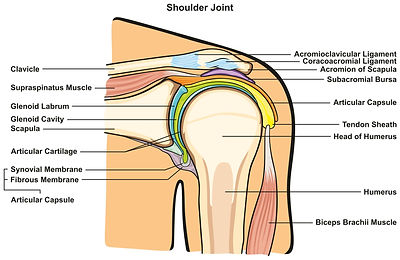
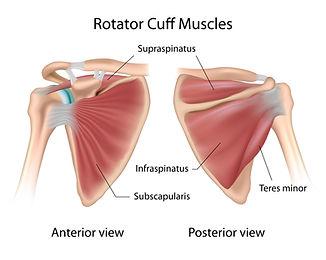
Rotator cuff injuries are the most frequent cause of shoulder pain we treat at our Manhattan clinic. The rotator cuff is a group of four muscles and their tendons that stabilize the shoulder joint and enable rotation. Rotator cuff tendinitis — inflammation of these tendons from repetitive overhead movements — is extremely common among office workers, athletes, and anyone who performs repetitive arm motions. Rotator cuff tears, whether partial or complete, cause significant pain and weakness that can severely limit daily activities. Rotator cuff impingement occurs when the tendons become compressed between the bones of the shoulder during arm elevation, causing pain and inflammation.
Frozen shoulder
Frozen shoulder (adhesive capsulitis) is a condition characterized by progressive stiffness and severe pain that develops when the tissue surrounding the shoulder joint capsule becomes thick and tight. Frozen shoulder typically progresses through three stages — freezing, frozen, and thawing — and can take twelve to eighteen months to resolve without intervention. This condition frequently develops after periods of immobility following surgery, fracture, or other injury.
Shoulder impingement syndrome
Shoulder impingement syndrome develops when the rotator cuff tendons and bursa become compressed during overhead arm movements, particularly common in swimmers, tennis players, and painters. Without treatment, chronic impingement leads to progressive tendon damage and can ultimately result in rotator cuff tears.
Risk Factors for Shoulder Pain
Several factors increase the likelihood of developing shoulder problems. Age-related degeneration of the rotator cuff tendons begins in the 40s and progresses with time — rotator cuff tears are present in over 50 percent of adults over age 60, many without symptoms. Repetitive overhead activities — whether occupational (painting, construction, warehouse work) or recreational (tennis, swimming, baseball) — accelerate tendon wear. Poor posture, particularly the forward head and rounded shoulder position common among NYC desk workers, narrows the subacromial space and increases impingement risk. Previous shoulder injury or dislocation predisposes to future problems. Diabetes is a significant risk factor for frozen shoulder. Sedentary lifestyles weaken the muscles that support the shoulder blade and rotator cuff, leaving the joint vulnerable to injury.
How Shoulder Pain Is Diagnosed
Accurate diagnosis is the foundation of effective shoulder pain relief. Our doctors begin with a detailed patient history followed by a comprehensive physical examination that includes shoulder range of motion testing, rotator cuff strength assessment, provocative tests for impingement and instability, and evaluation of the cervical spine and thoracic region for contributing dysfunction. We assess scapular mechanics, muscle imbalances, and movement patterns throughout the kinetic chain to identify factors that may be loading the shoulder abnormally. When necessary, we may recommend diagnostic imaging such as X-rays, MRI, or diagnostic ultrasound to visualize rotator cuff tears, labral damage, arthritis, or other structural abnormalities.
Shoulder Pain Treatment Options at City Integrative Rehabilitation
Our integrative treatment approach draws from multiple disciplines to provide the most comprehensive shoulder pain care available in New York City. Every treatment plan is customized to the individual patient based on the specific diagnosis, the severity of the condition, and your functional goals.
Sports Chiropractic
Our chiropractors use targeted joint mobilization and manipulation techniques to restore proper alignment and movement throughout the shoulder complex, cervical spine, and thoracic spine. Restrictions in the mid-back and ribs frequently contribute to shoulder pain by altering scapular mechanics, and addressing these areas can provide significant pain relief.
Progressive rehabilitation
A plan may include mobility work, strengthening, scapular control, progressive loading, and task-specific exercise when indicated. The sequence and dosage are adjusted to the diagnosis, irritability, healing stage, and response.
Shockwave Therapy
Extracorporeal shockwave therapy delivers targeted acoustic energy to damaged tissues, supporting local tissue recovery and function. This advanced modality is particularly effective for calcific tendinitis, chronic rotator cuff tendinopathy, and frozen shoulder that has not responded to conventional treatment. Research supports shockwave as a minimally invasive alternative to surgery for many shoulder conditions.
Dynamic Neuromuscular Stabilization (DNS)
DNS uses developmental kinesiology principles to retrain how the brain controls shoulder and scapular stabilization. By addressing faulty motor patterns at the neurological level, DNS creates deeper, more durable improvements in shoulder function than traditional strengthening alone.
Anatomy in Motion (AiM)
Anatomy in Motion examines how the entire body moves through the gait cycle, identifying global movement dysfunctions that may be overloading the shoulder. Restrictions in the thoracic spine, rib cage, and even the opposite hip frequently drive compensatory patterns that manifest as shoulder pain.
When to Consider Advanced Interventions
For patients with severe pain that has not responded adequately to conservative care, advanced interventional pain management procedures may be appropriate. These minimally invasive procedures target specific pain generators with precision. Corticosteroid injections can reduce inflammation within the subacromial bursa or glenohumeral joint. Platelet-rich plasma (PRP) injections harness the body’s own healing factors to promote tissue repair in damaged tendons. Hydrodilatation injections can help break up adhesions in frozen shoulder. These invasive procedures are typically considered after a thorough trial of conservative therapy and are coordinated with ongoing rehabilitation to maximize results.
For cases of significant structural damage — such as large rotator cuff tears, recurrent dislocations, or advanced arthritis — where conservative and interventional approaches have been exhausted, shoulder surgery may be recommended. Our team works closely with orthopedic surgeons and provides comprehensive pre- and post-surgical rehabilitation to optimize outcomes for patients who undergo shoulder surgery, including arthroscopic rotator cuff repair, labral repair, and shoulder replacement.
The Shoulder-Neck Connection
One of the most frequently overlooked relationships in shoulder pain is the connection between the cervical spine and the shoulder. Neck conditions such as cervical disc herniations, cervical radiculopathy, and facet joint dysfunction can refer pain directly into the shoulder, mimicking a true shoulder problem. Conversely, chronic shoulder dysfunction alters how the neck and upper back move, potentially creating secondary cervical pain. At City Integrative Rehabilitation, we evaluate the shoulder and cervical spine together rather than in isolation — this comprehensive approach ensures that treatment targets the actual source of symptoms rather than just the site of pain. Thoracic spine restrictions and poor posture — particularly the forward head position common among desk workers — compress the subacromial space and increase impingement risk. Addressing these contributing factors is essential for lasting shoulder pain relief.
Our Clinic’s Approach: Why Choose City Integrative Rehabilitation
CityIR evaluates the shoulder together with relevant neck, rib, scapular, strength, mobility, and activity findings. Clinicians coordinate the available services around the examination rather than assuming every shoulder problem needs the same treatment.
Our expert team holds advanced certifications in orthopedic rehabilitation, sports medicine, chiropractic neurology, DNS, and Anatomy in Motion. This depth of expertise means you receive a level of care that single-provider clinics simply cannot match. From your first visit, you will receive a thorough evaluation and a clearly explained treatment plan, with your progress monitored at every step.
Insurance and Scheduling Your First Visit
Insurance participation and benefits vary by plan, provider, location, and service. Contact CityIR so the office can verify current benefits, referrals, deductibles, copays, and authorization requirements before scheduling. Progress and next steps are reassessed throughout care rather than promising a fixed recovery timeline.
Recovery Timeline and What to Expect
Recovery timelines vary depending on the diagnosis and severity. Mild rotator cuff tendinitis and shoulder bursitis often improve significantly within four to six weeks of consistent treatment. Frozen shoulder typically requires three to six months of dedicated therapy, though early intervention can accelerate progress. Rotator cuff tears and post-surgical rehabilitation may require three to six months of progressive rehabilitation. Throughout your recovery, our team monitors your progress closely and adjusts your treatment plan as needed. Most patients experience meaningful pain relief within the first few weeks of treatment, even for chronic conditions.
At-Home Care and Lifestyle Modifications for Shoulder Pain
What you do between clinical visits plays a critical role in your recovery. Simple lifestyle modifications can dramatically reduce shoulder pain and prevent recurrence. Maintaining proper posture — keeping the shoulder blades gently drawn back and the chin tucked — reduces impingement stress throughout the day. Ergonomic workstation adjustments, including monitor height, keyboard position, and chair support, are essential for NYC office workers. Gentle stretching of the pectorals, upper trapezius, and posterior shoulder helps maintain flexibility. Strengthening exercises targeting the rotator cuff and scapular stabilizers build the muscular foundation that protects the shoulder long-term. Avoiding sleeping with the arm overhead or on the affected side reduces nighttime pain. Ice application after activity can help manage inflammation. Our team provides each patient with individualized home exercise programs and activity modification guidance tailored to their specific condition and everyday activities.
Conditions We Treat
Our team specializes in treating a wide range of shoulder-related conditions, including:
- Rotator cuff tendinitis and tears
- Rotator cuff impingement syndrome
- Frozen shoulder (adhesive capsulitis)
- Shoulder arthritis (osteoarthritis and rheumatoid arthritis)
- Labral tears and SLAP lesions
- Shoulder instability and dislocations
- Shoulder bursitis
- Biceps tendinitis
- AC joint injuries and separations
- Calcific tendinitis
- Thoracic outlet syndrome
- Sports-related shoulder injuries
- Pre- and post-shoulder surgery rehabilitation
Frequently Asked Questions About Shoulder Pain
What is the most common cause of shoulder pain?
Rotator cuff injuries — including tendinitis, impingement, and tears — are the most common cause of shoulder pain. Poor posture and repetitive overhead movements are frequent contributing factors, particularly among office workers and athletes in NYC. Our shoulder pain specialists evaluate each patient individually to identify the specific cause and develop a targeted treatment plan.
Can shoulder pain go away on its own?
Minor muscle strains may improve with rest, but many shoulder conditions worsen over time without proper treatment. Conditions like frozen shoulder and rotator cuff tears can lead to permanent loss of mobility and strength if left untreated. Early intervention by a qualified shoulder pain doctor typically leads to faster recovery and better long-term outcomes.
How does shockwave therapy help shoulder pain?
Shockwave therapy delivers focused acoustic energy to damaged shoulder tissues, stimulating blood flow, breaking down calcifications, and triggering the body’s natural healing response. It is particularly effective for calcific tendinitis, chronic rotator cuff tendinopathy, and frozen shoulder. Most patients experience pain relief after three to five treatment sessions.
Do I need surgery for a rotator cuff tear?
Not necessarily. Many rotator cuff tears — particularly partial tears — respond well to conservative treatment including physical therapy, chiropractic care, and advanced modalities like shockwave therapy. Surgery is typically reserved for large or complete tears that have not improved with comprehensive conservative care, or for young, active patients with acute traumatic tears. Our team focuses on non-surgical pain management strategies first.
What is frozen shoulder and how long does it last?
Frozen shoulder (adhesive capsulitis) occurs when the tissue surrounding the shoulder joint capsule becomes thick and tight, severely restricting range of motion. Without treatment, frozen shoulder can last twelve to eighteen months or longer. With aggressive manual therapy, joint mobilization, and targeted rehabilitation, recovery time can be significantly shortened. Patients with diabetes are at higher risk for developing this condition.
Can shoulder pain come from my neck?
Yes. Cervical disc herniations, cervical radiculopathy, and facet joint dysfunction can all refer pain into the shoulder area. This is why a comprehensive evaluation that examines both the shoulder and cervical spine together is essential for accurate diagnosis. Treating the wrong structure leads to frustration and prolonged pain.
Don’t let shoulder pain limit your life. City Integrative Rehabilitation offers expert shoulder pain treatment in Manhattan using advanced, non-surgical techniques. Schedule your consultation today and take the first step toward recovery.
View All Conditions We Treat | Learn About Shockwave Therapy
CITYIR LOCATIONS
Shoulder Evaluation in Manhattan and Great Neck
Available services differ by office and are selected after the history and examination.
Manhattan
420 Madison Ave #803, New York, NY 10017
Evaluation-led care with office-specific options that may include chiropractic care, rehabilitation, DNS, and focused or radial ESWT when appropriate.
Location & directions ↗Great Neck
560 Northern Blvd, Suite 106B, Great Neck, NY 11021
Evaluation and conservative musculoskeletal care. Focused ESWT is not offered at Great Neck.
Location & directions ↗Ready to start your recovery?
Get expert treatment in NYC
Book an AppointmentGreat Neck: (516) 418-3798Manhattan: (646) 256-9513Huntington: (631) 659-2980Nesconset: (631) 584-8783